…The world begins to speak in smaller, older ways.
This reflection follows a personal path through webs, wetlands, forests, shorelines, birds, plants, and quiet places across British Columbia. Through original photography and lived observation, it explores how conservation becomes more meaningful when we stop seeing land as scenery and begin noticing it as relationship: layered, alive, and asking something of us.
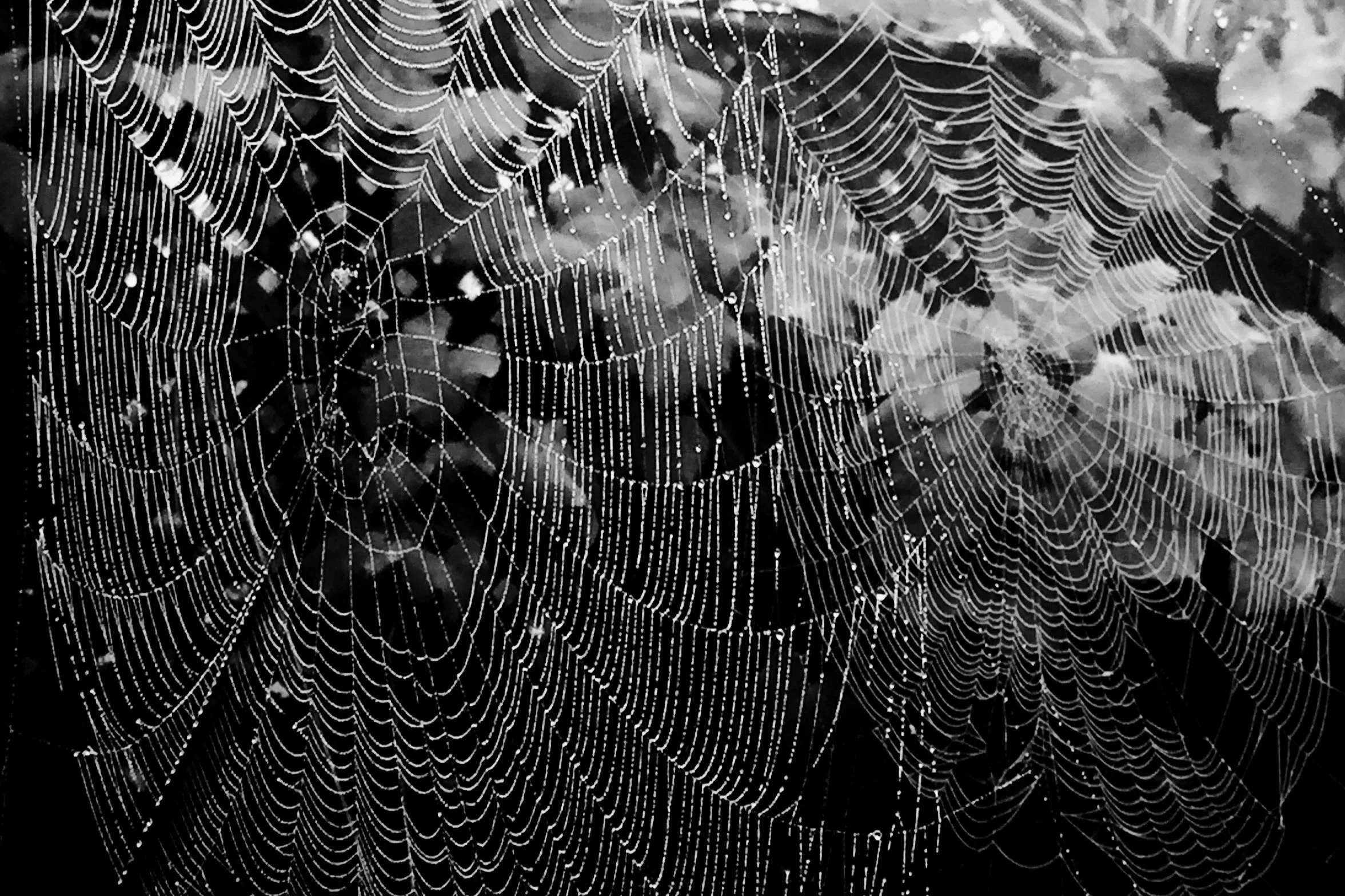
When I was a child, I would stop and watch spiders build their webs.
There was no expertise behind it and no larger lesson I was trying to extract. I was simply fascinated. I watched them work and wondered how something so small could create something so intricate, precise and beautiful.
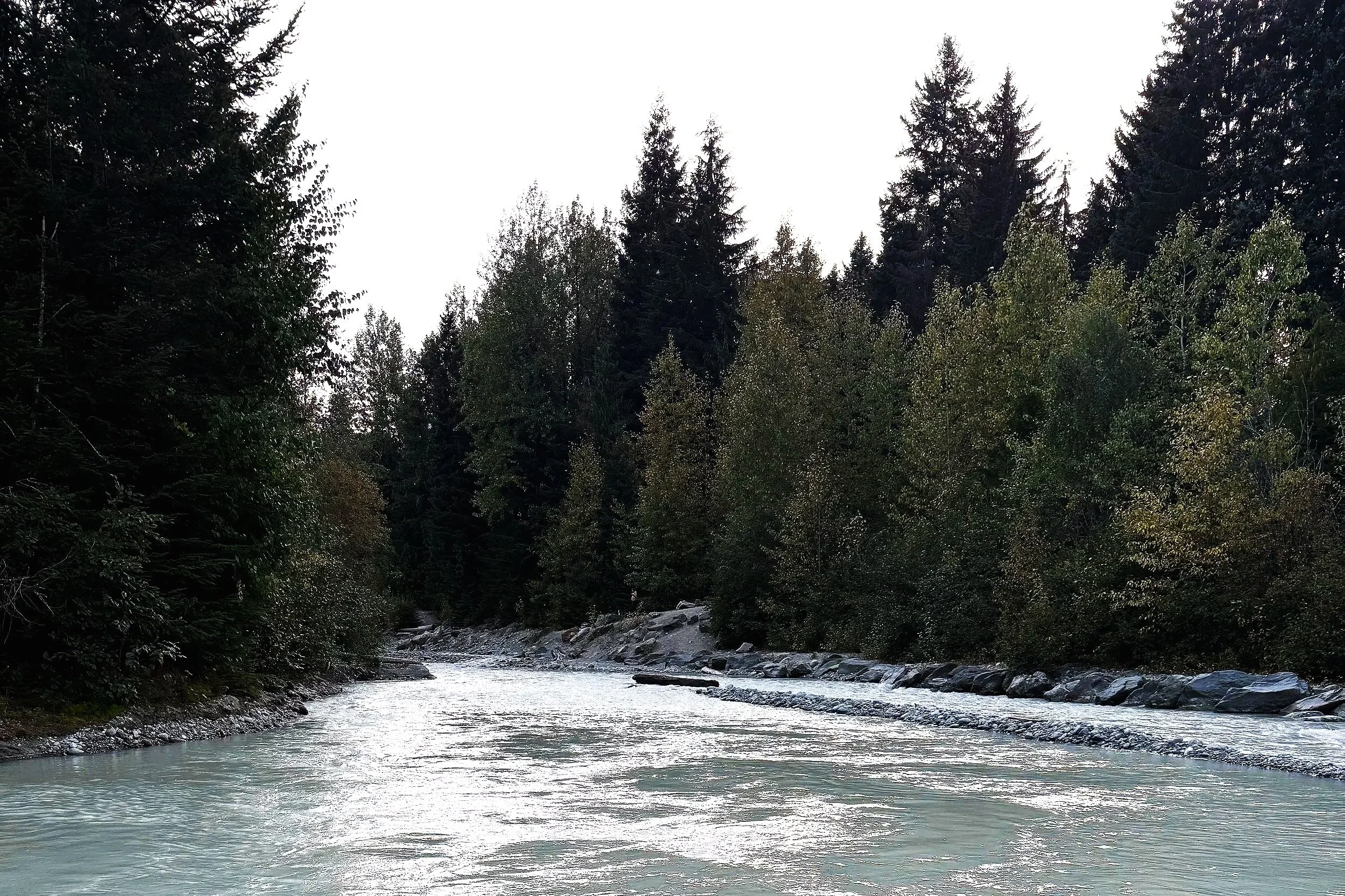
Somewhere along the way, I stopped watching.
I do not know exactly when the natural world began to flatten around me. At some point, a spiderweb became something to brush aside, grass became something to cross, and a forest became a beautiful view rather than thousands of lives unfolding at once.
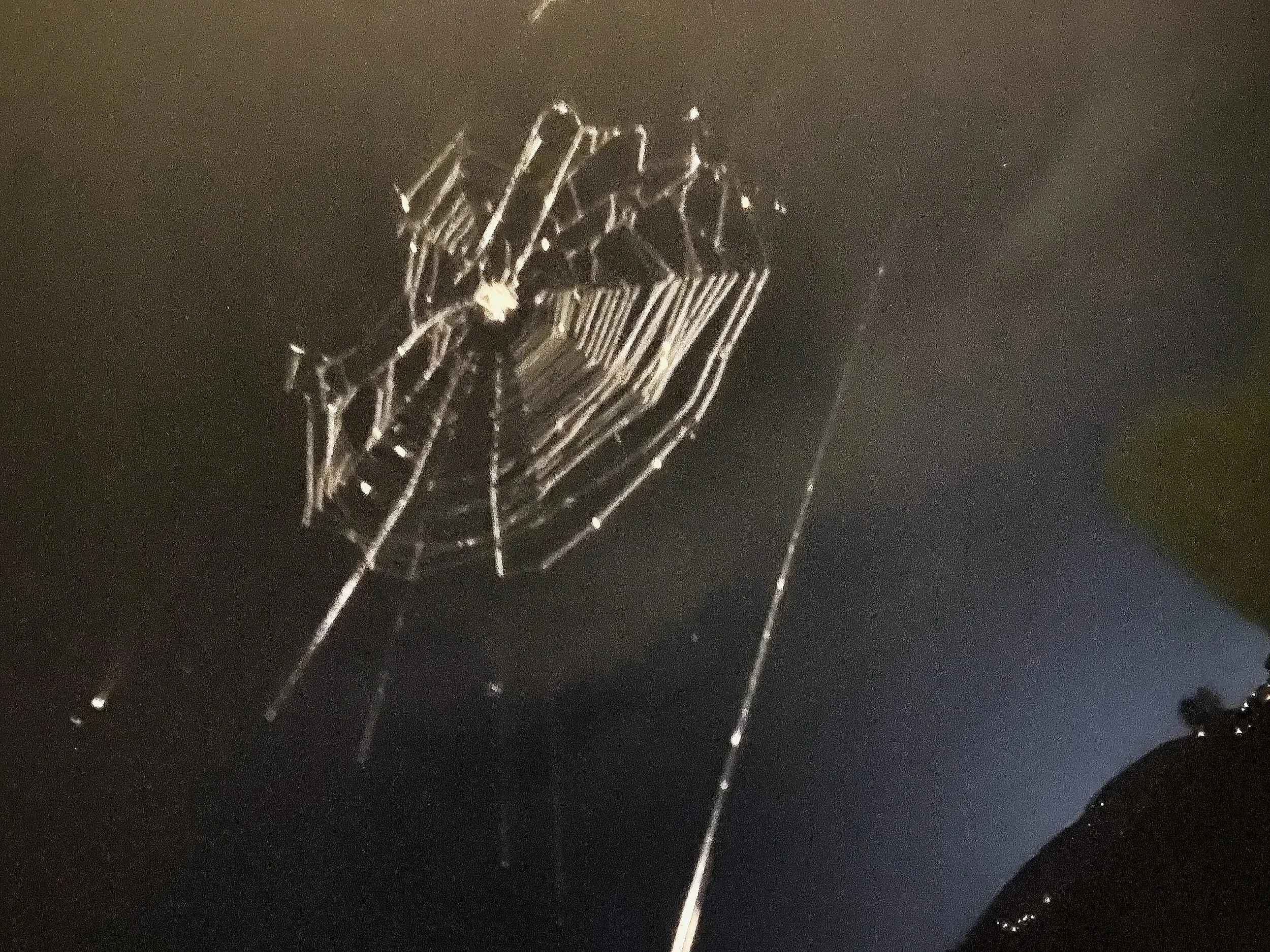
Since joining Talaysay, I have slowly begun to notice again.
Now, when I find a spider building its web, I actively avoid disturbing it. I cheer on the impossibly tiny baby spiders and admire the perfection of what they create. Where many people see something unpleasant or inconvenient, I see architecture: delicate, functional and built with a precision most of us could never reproduce.
That renewed awareness has followed me everywhere.
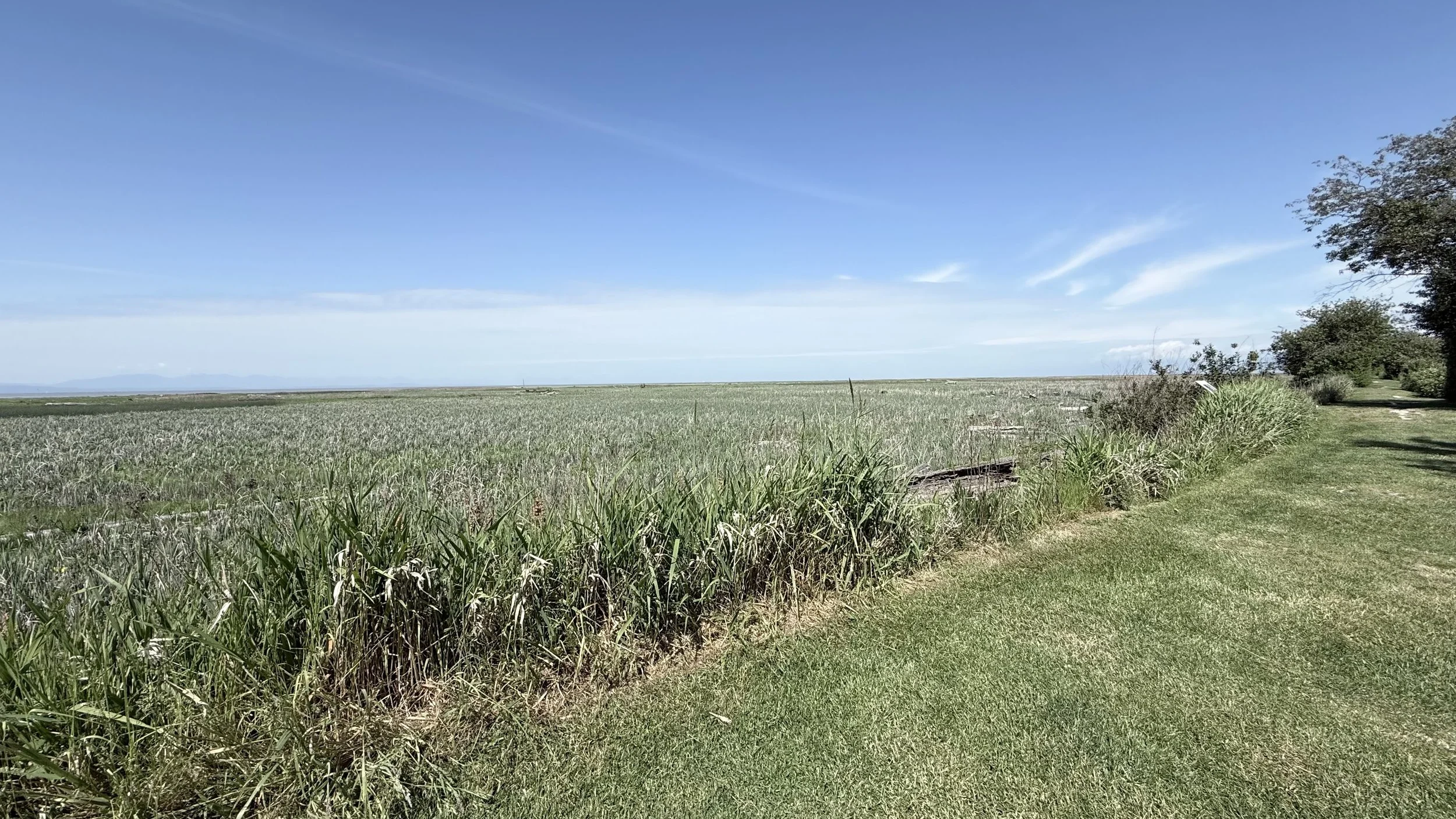
Walking across grass can now make me hesitate. What once appeared to be an ordinary green surface has become an entire world beneath my feet. There are colonies of tiny organisms between the blades, around the roots and below the soil. I find myself almost cringing at the thought of how much life I may be disturbing with every step.
When seeing a plant struggling…
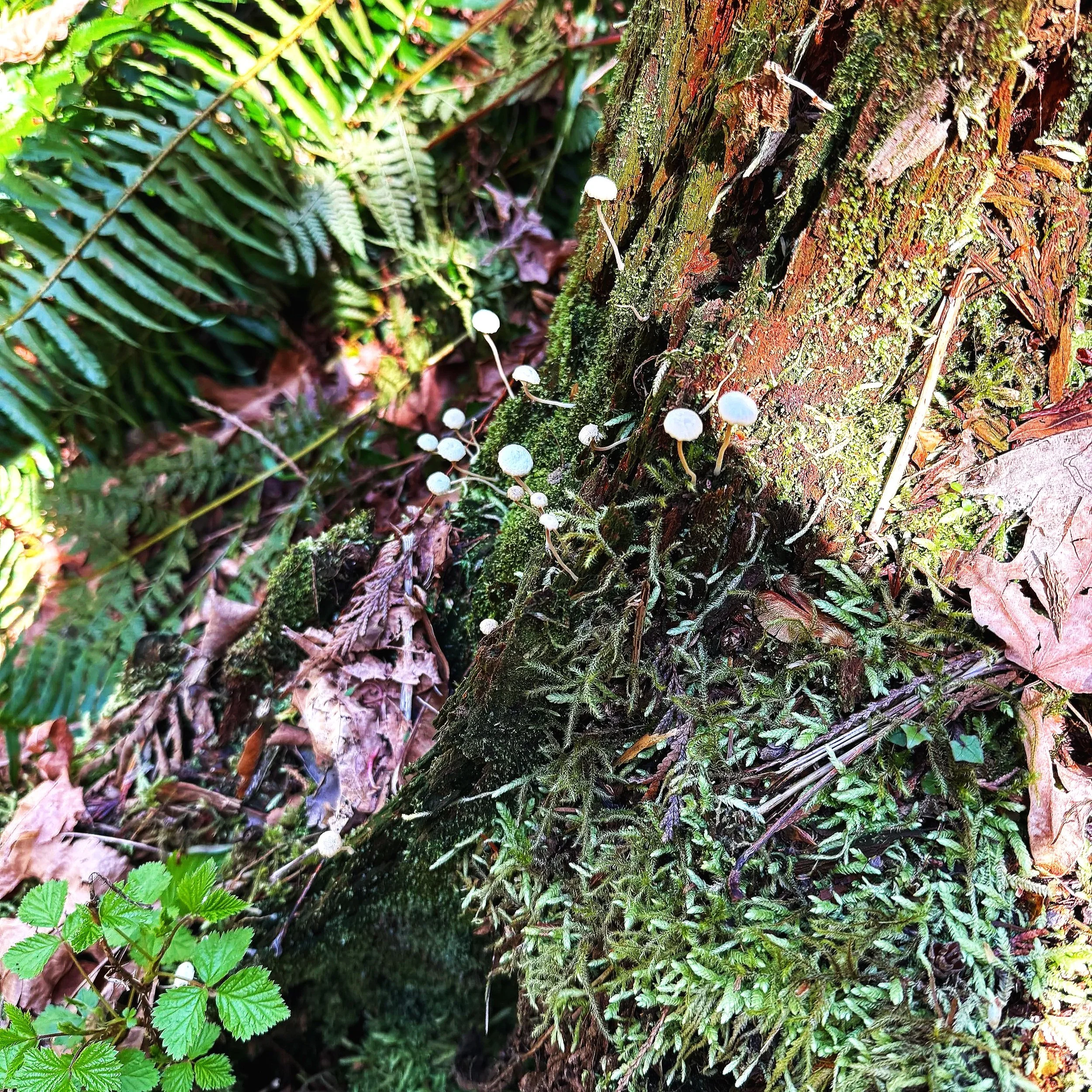
… I wonder what it is missing or what it has received too much of. Moss makes me smile. A mushroom makes me imagine the intricate systems of mycelium moving through the soil, substrate and trees beneath it, with only the fruiting body appearing aboveground to reveal a fraction of what is there.
A forest is no longer simply a forest to me.
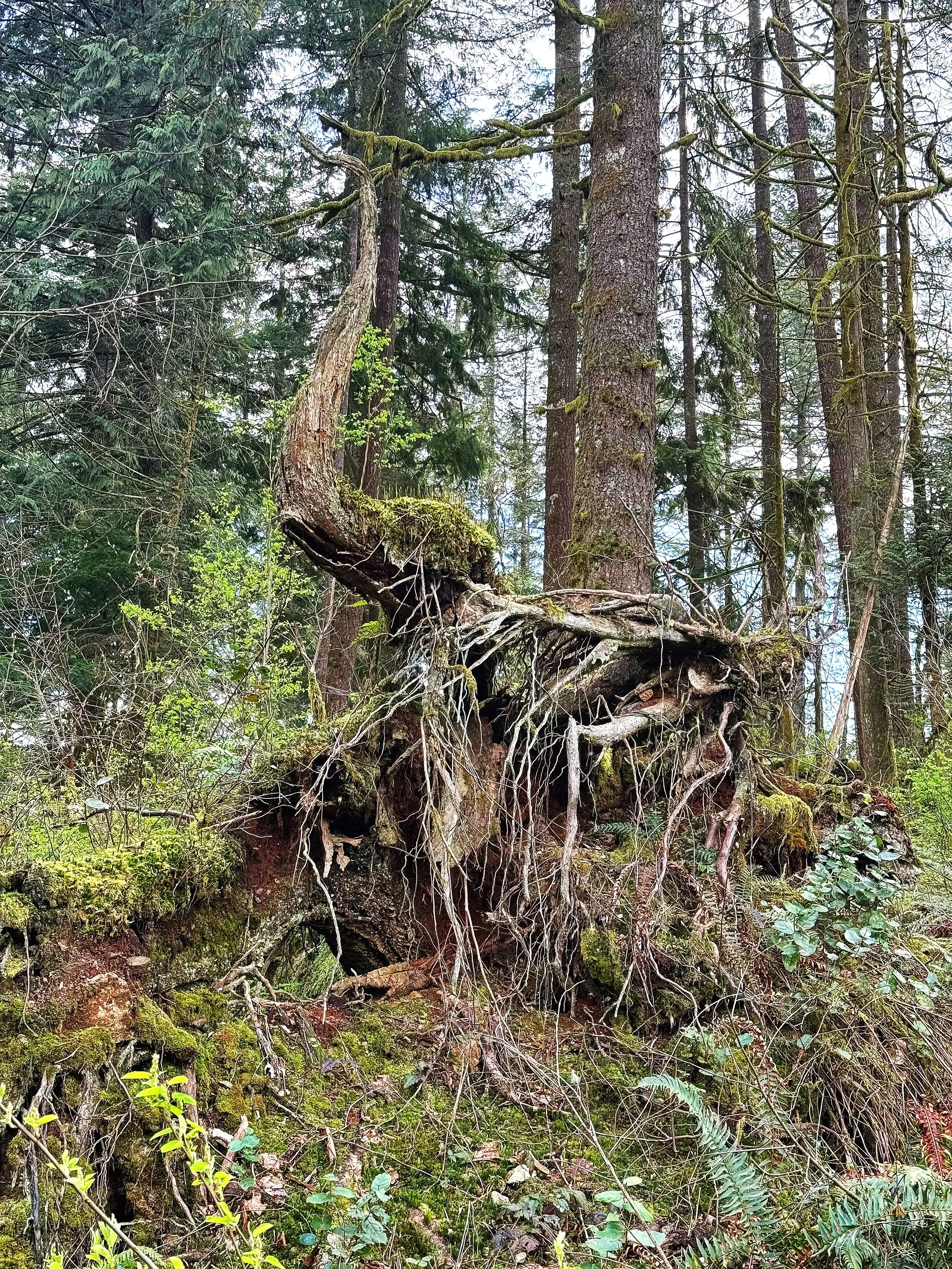
It is the canopy and the understory, the roots and the soil, and everything living between them. It is the plants, birds, animals, insects and spiders. It is the fish moving through streams, the sounds filling the canopy and the unexpected stretches of silence. It is growth and decay, communication and competition, cooperation and adaptation. It is history held in old trunks and new life emerging from fallen ones.
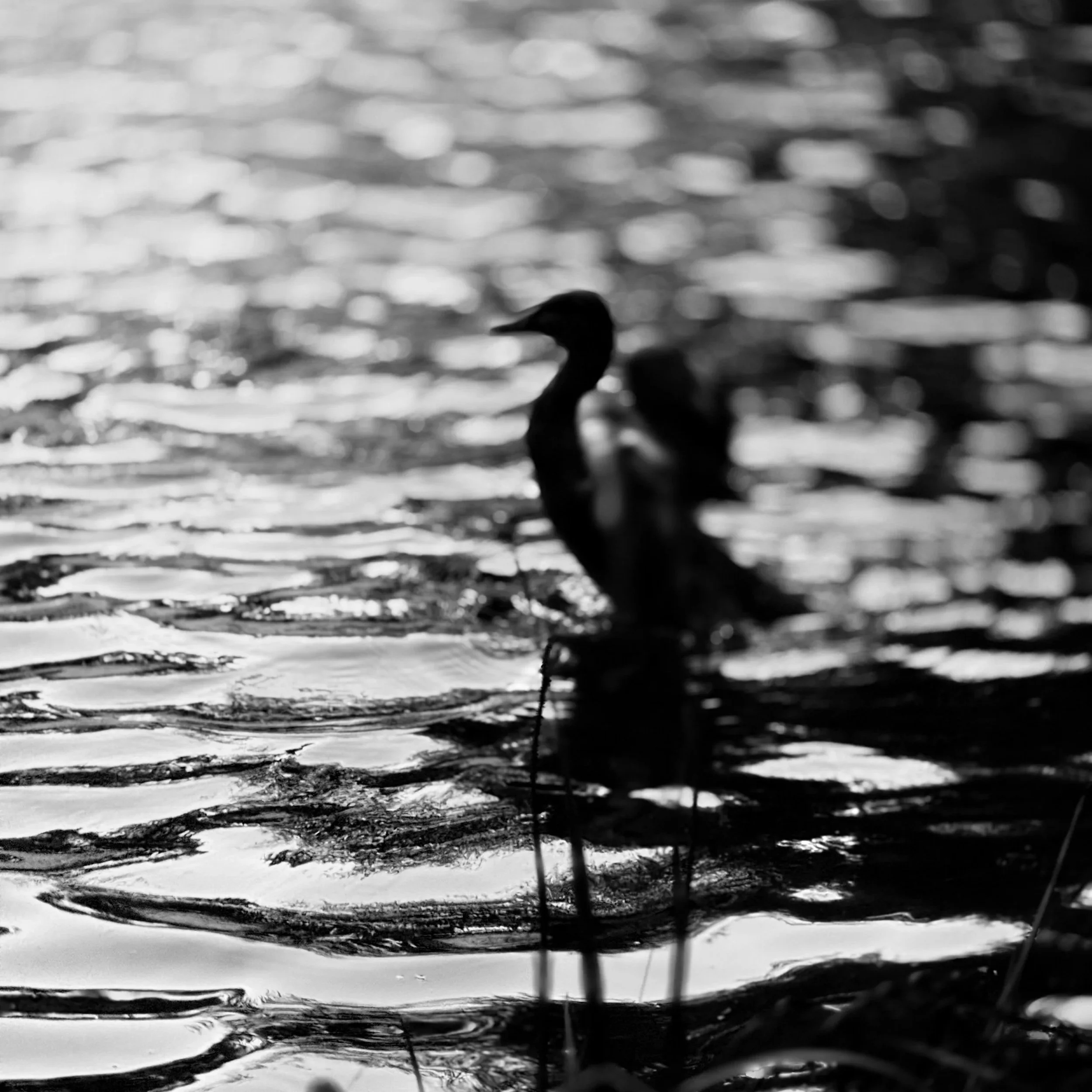
It is a whole experience, not a view.
The more I learn, the more every answer seems to open another question. Every new layer of understanding reveals several more beneath it. I once thought that learning more would eventually make the natural world easier to understand. Instead, it has shown me how much more there will always be to discover.
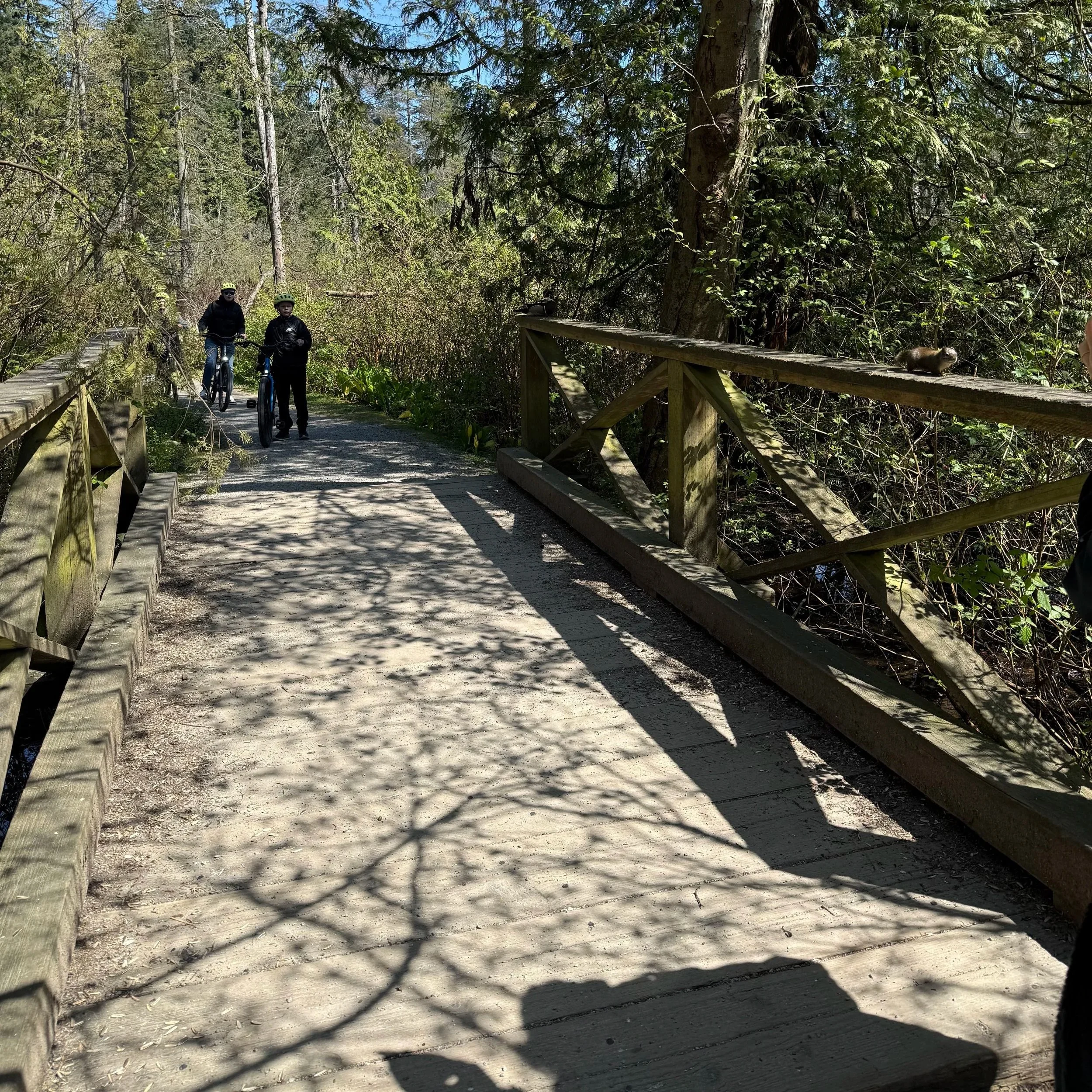
For a long time, I found it frustrating to see forest trails becoming increasingly manicured, with fences and barriers keeping people on prescribed paths. It felt as though we were being separated from the land.
Then I began to understand what those fences were doing.
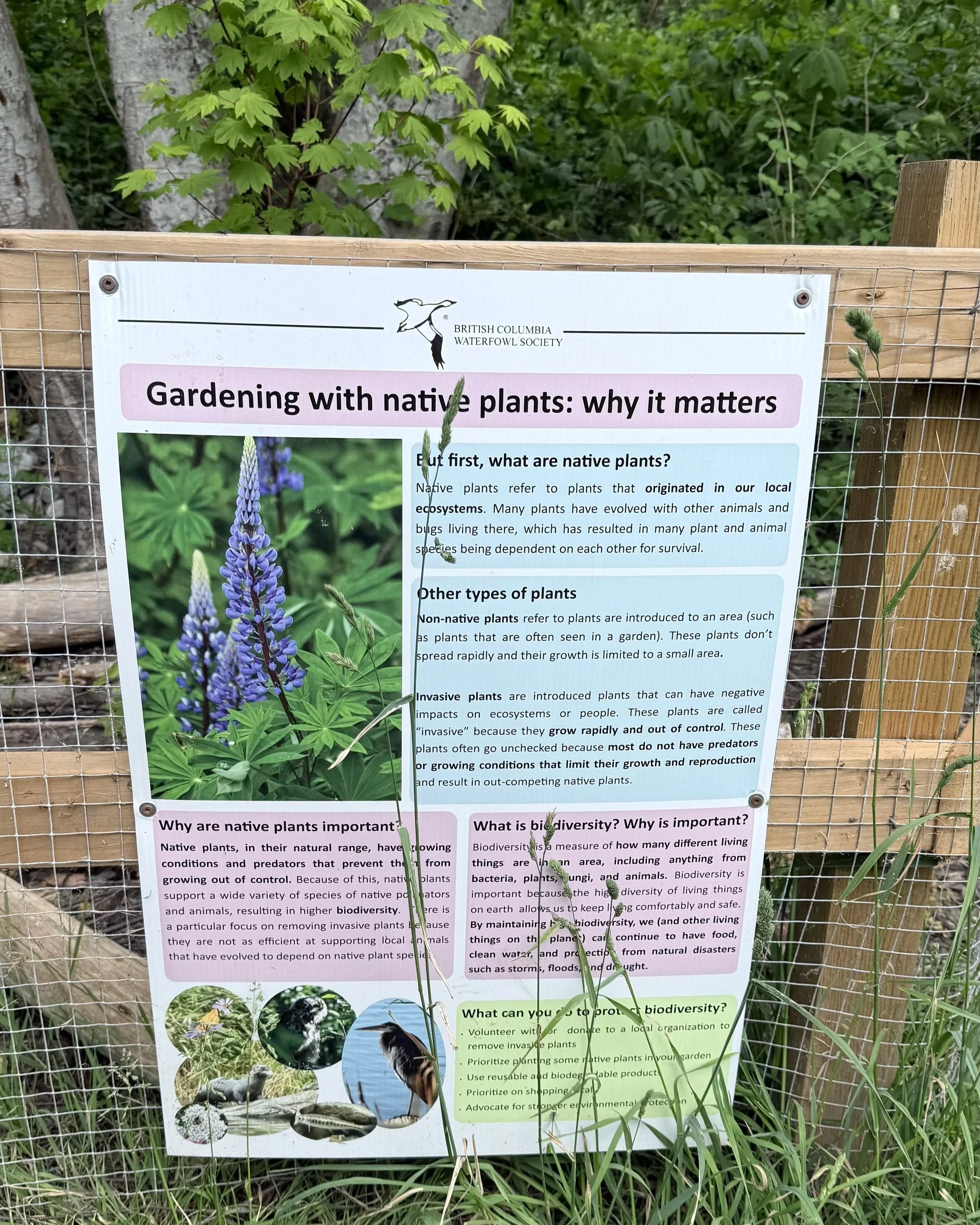
They were protecting the forest from us.
That realization still sits uneasily with me. We speak of ourselves as stewards of the land, yet our presence has become something from which vulnerable places must be defended. When protecting a forest means preventing us from entering it freely, we have to ask what has been lost, not only ecologically, but within our own understanding of how to be in relationship with a place.
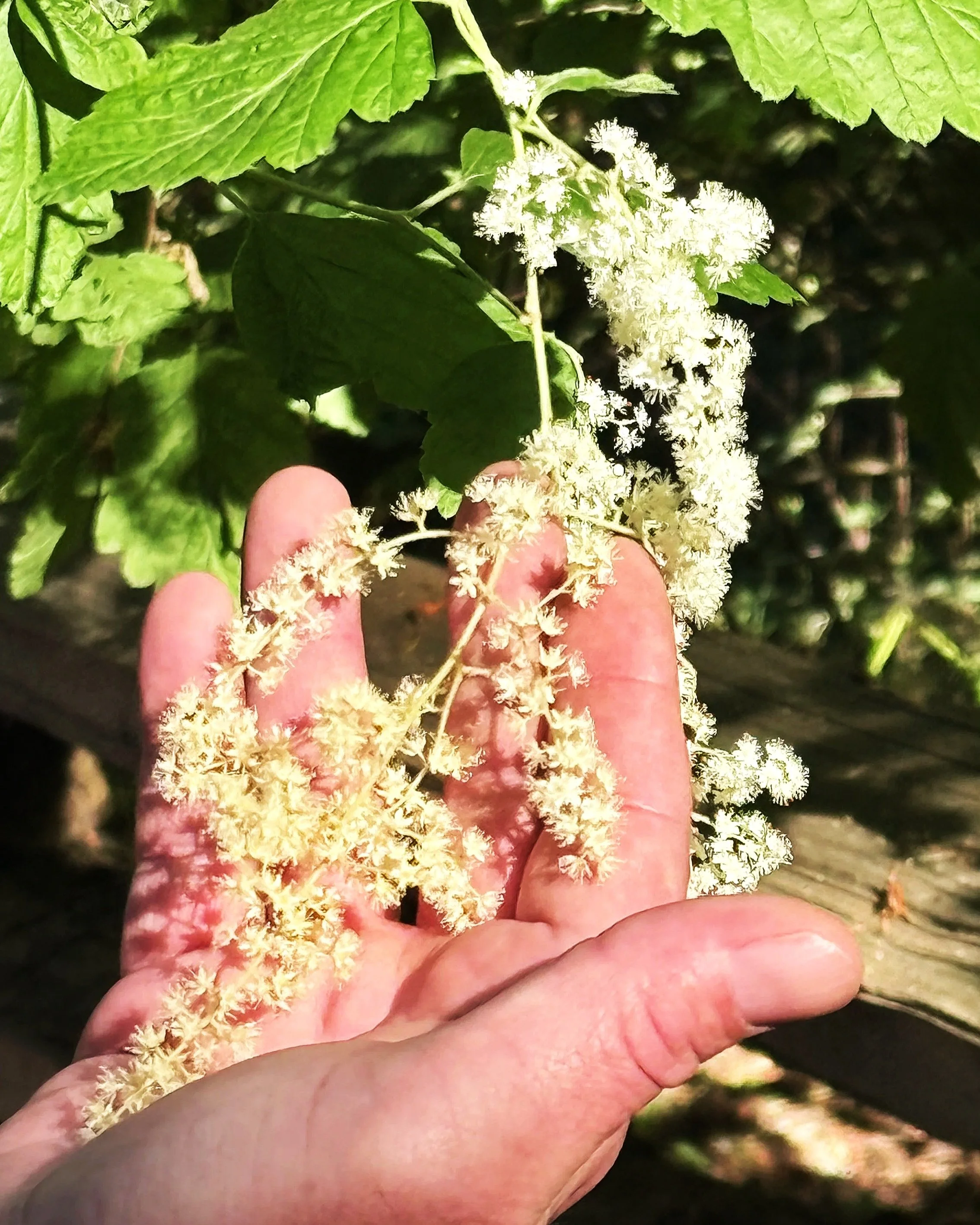
We are meant to care for the land, yet we have reached a point where caring for it often means limiting the damage caused by our presence. That feels uncomfortably close to a failure of our responsibility as stewards.
But I do not believe that realization should leave us frozen in guilt or convinced that our only option is to separate ourselves from nature completely.
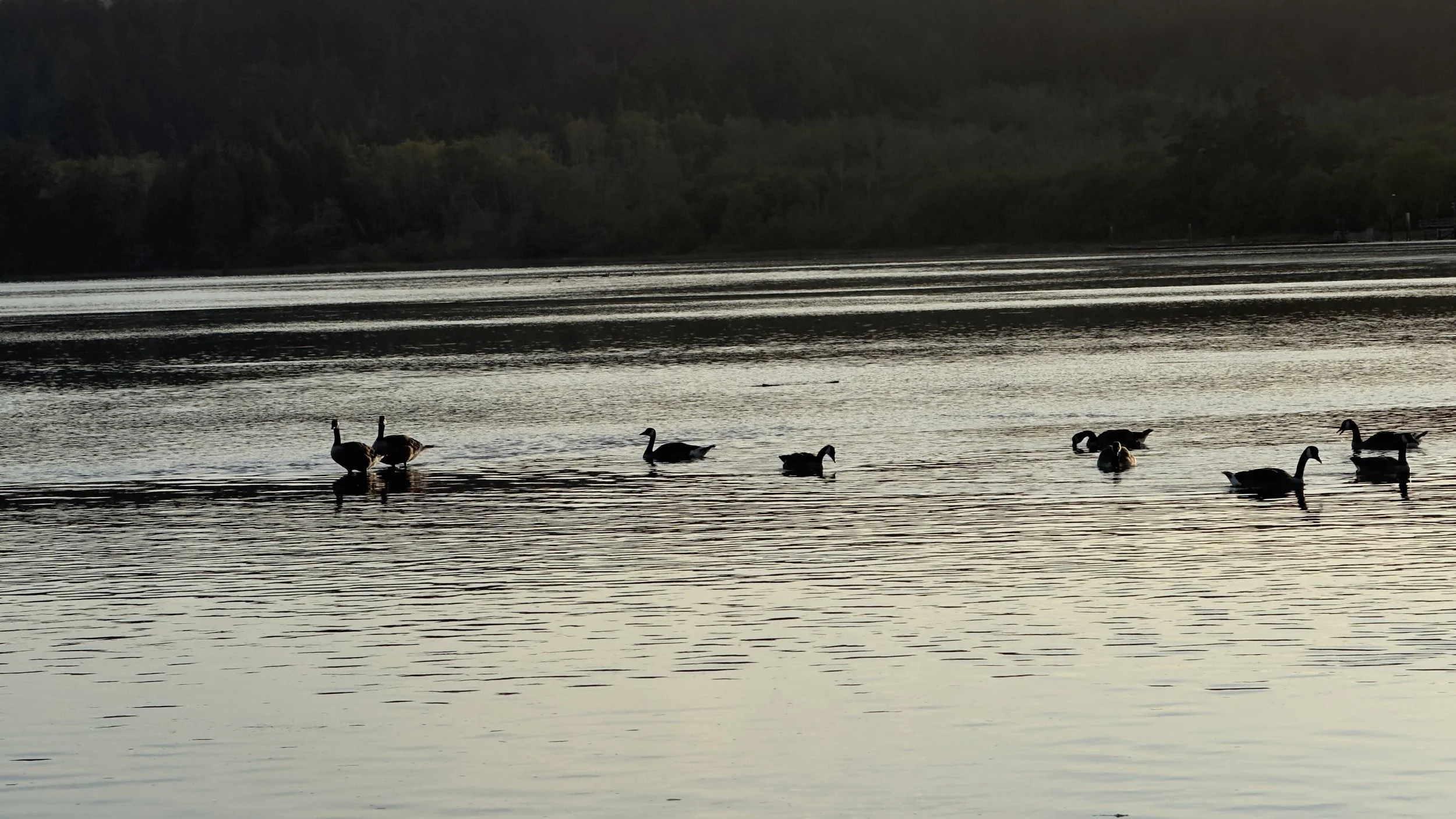
It should ask us to reconsider how we enter these spaces…
…how we move through them and what we carry away with us.
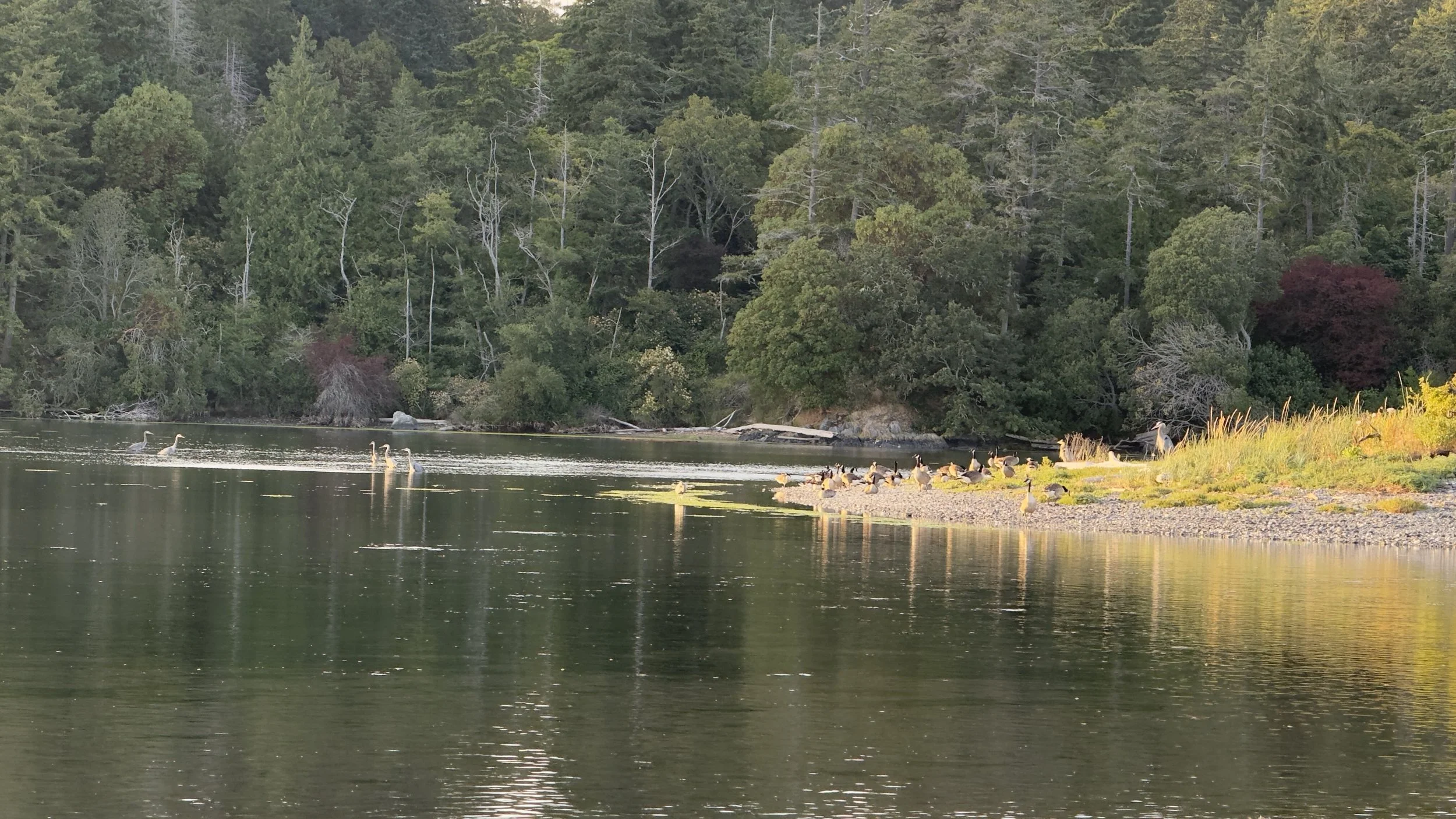
Stewardship does not always begin with expertise. Sometimes it begins with learning to notice and allowing what we notice to change us.
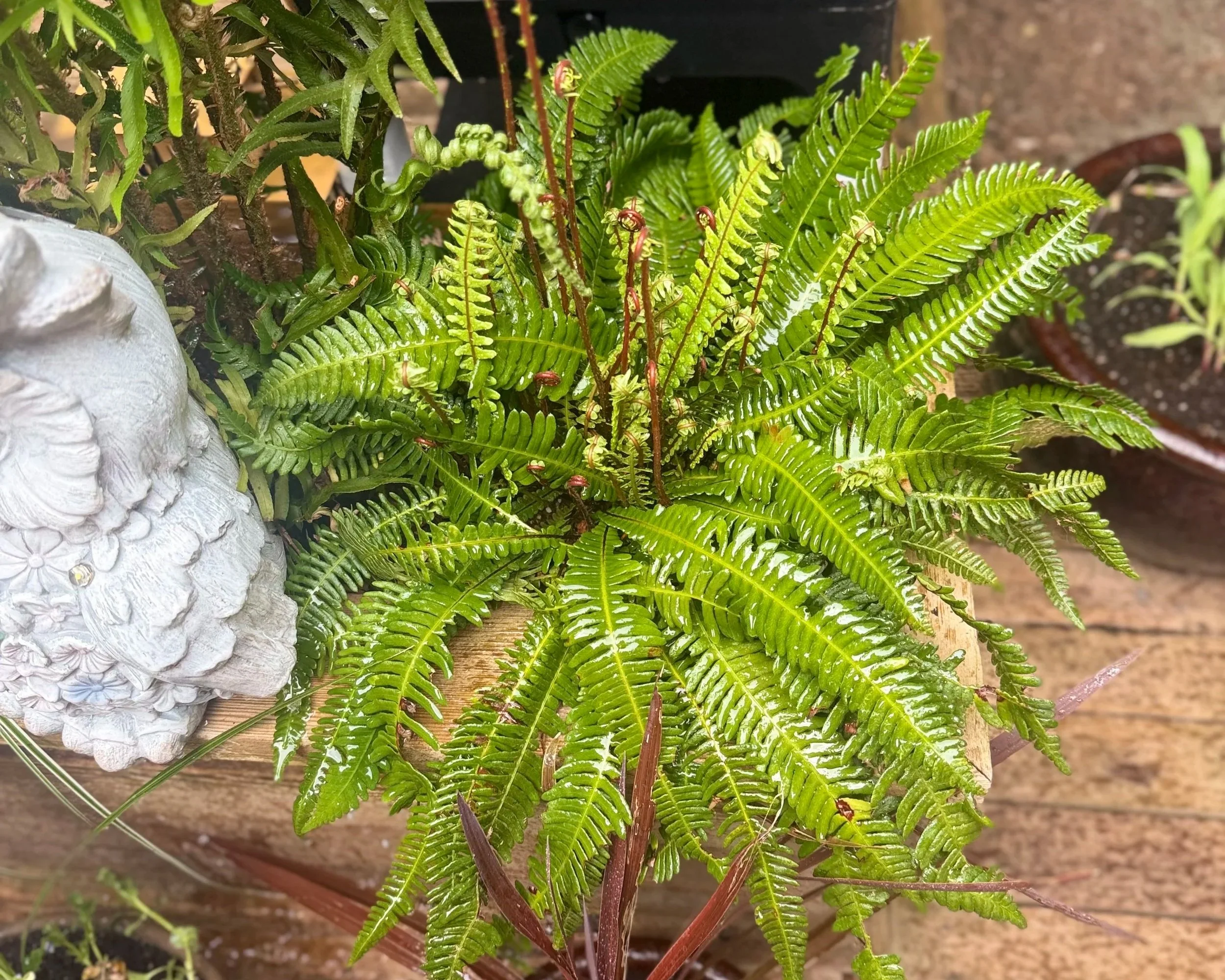
That growing awareness has already changed what conservation looks like in my own life.
I am adding native plants to our garden, choosing species suited to the place and thinking about how they can support the soil, native insects and birds.
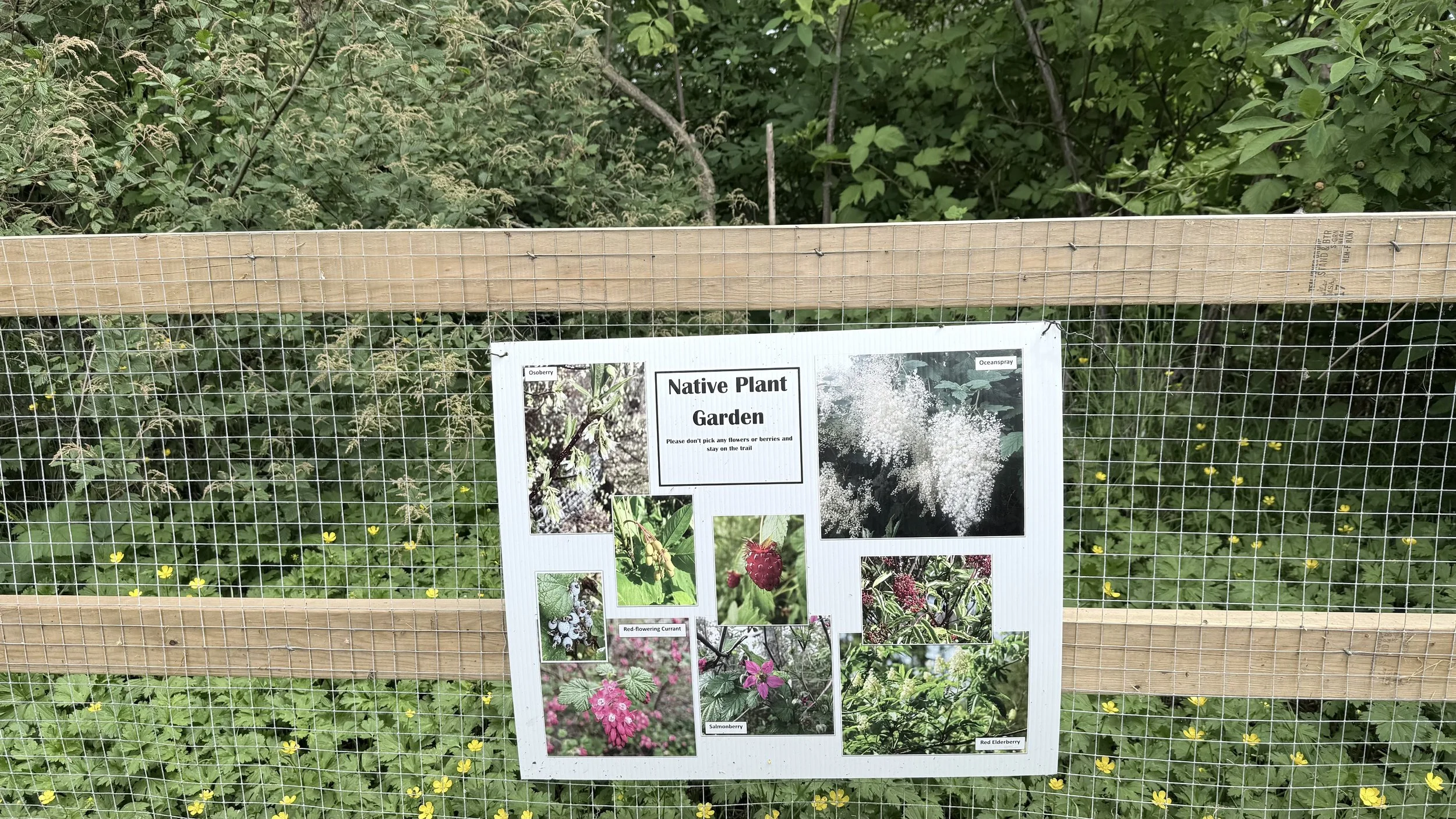
When I visit parks, I stay on the trails and out of environmentally sensitive areas.
I understand now that the spaces beyond the path are not empty. They are alive, and even small disturbances can accumulate when thousands of people make them.
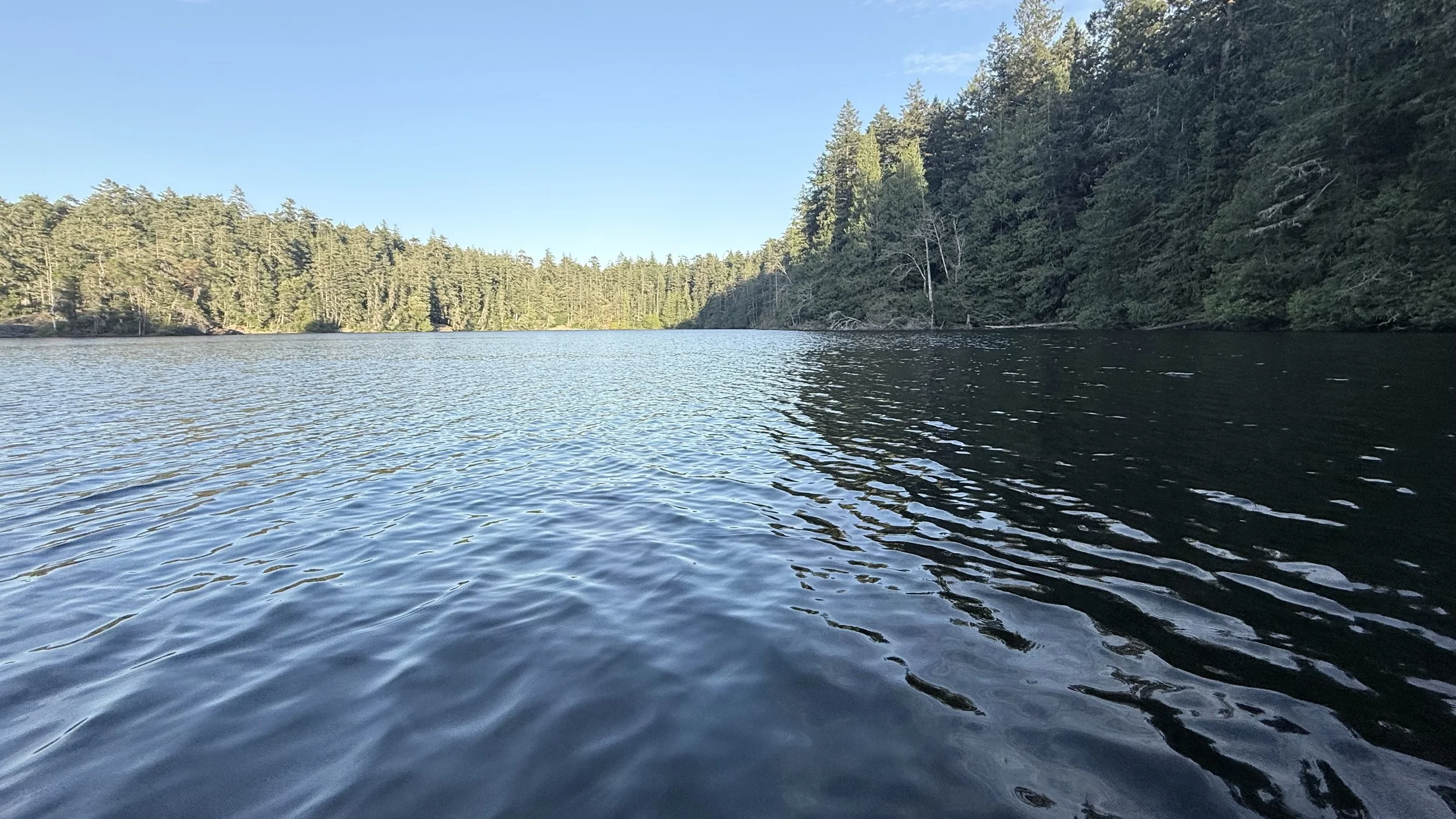
I clean my boots and shoes when parks provide stations, knowing that seeds, spores and pathogens can travel with us.
I read park rules before visiting. I check the condition of lakes and coastal waters before swimming or paddling. I pay attention to fire bans and current conditions, and I try to leave without adding anything that was not already there.
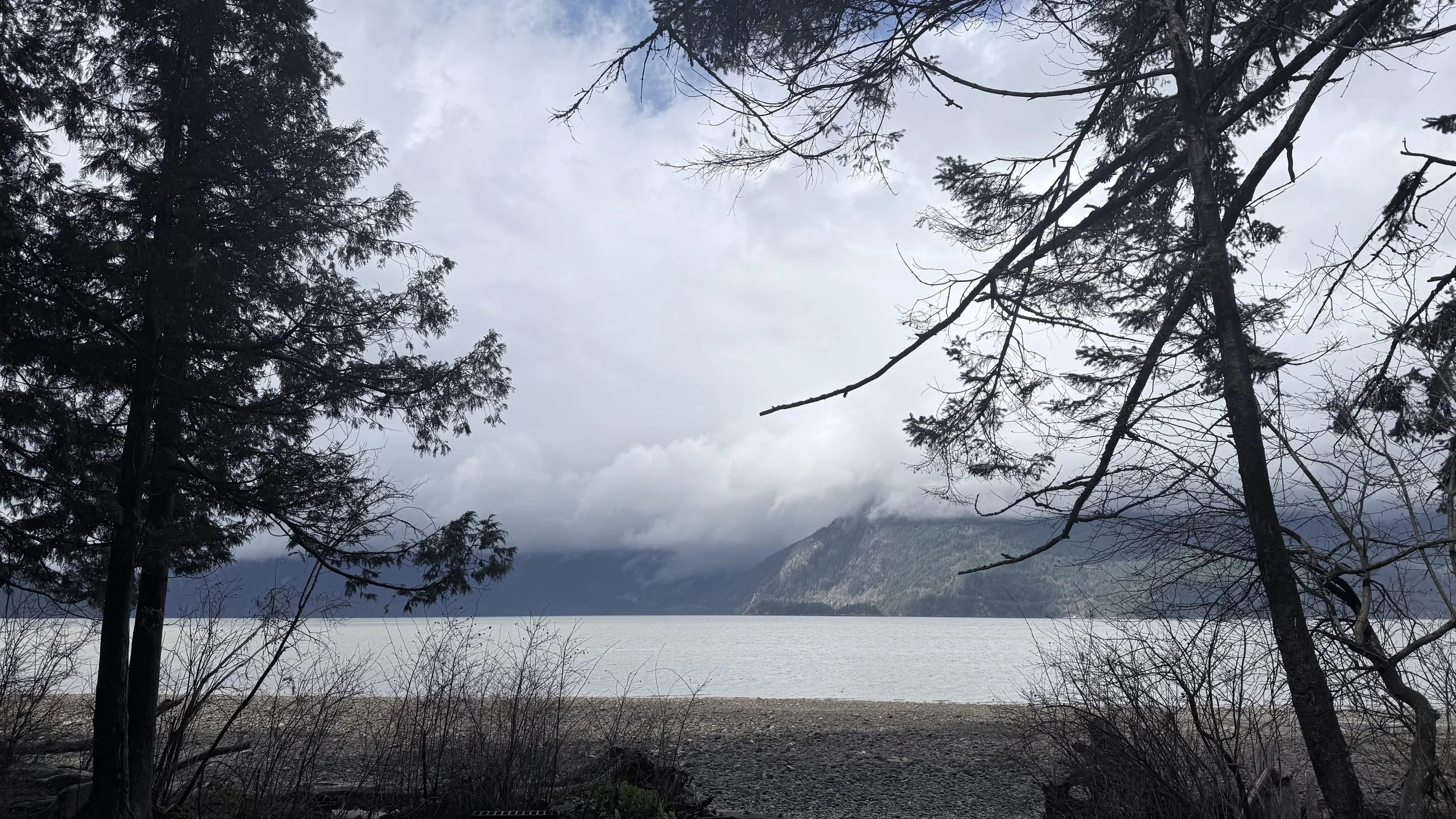
None of these actions makes me an expert.
They are simply ways that growing awareness has begun to shape my behaviour. Stewardship, I am learning, is not one grand act. It is a continuing practice of paying attention, accepting responsibility and changing what we do when we learn something new.
Dr. Jennifer Grenz’s book, Medicine Wheel for the Planet, created another lasting shift in how I understand conservation and stewardship. Her journey brings Western science and Indigenous ecology into conversation, challenging the idea that healing the land means returning it to one fixed moment from the past.
Living systems are not static. They are always changing.
Species move, climates shift, relationships adapt and ecosystems respond to the conditions around them. Our approaches to conservation must also remain attentive and responsive.
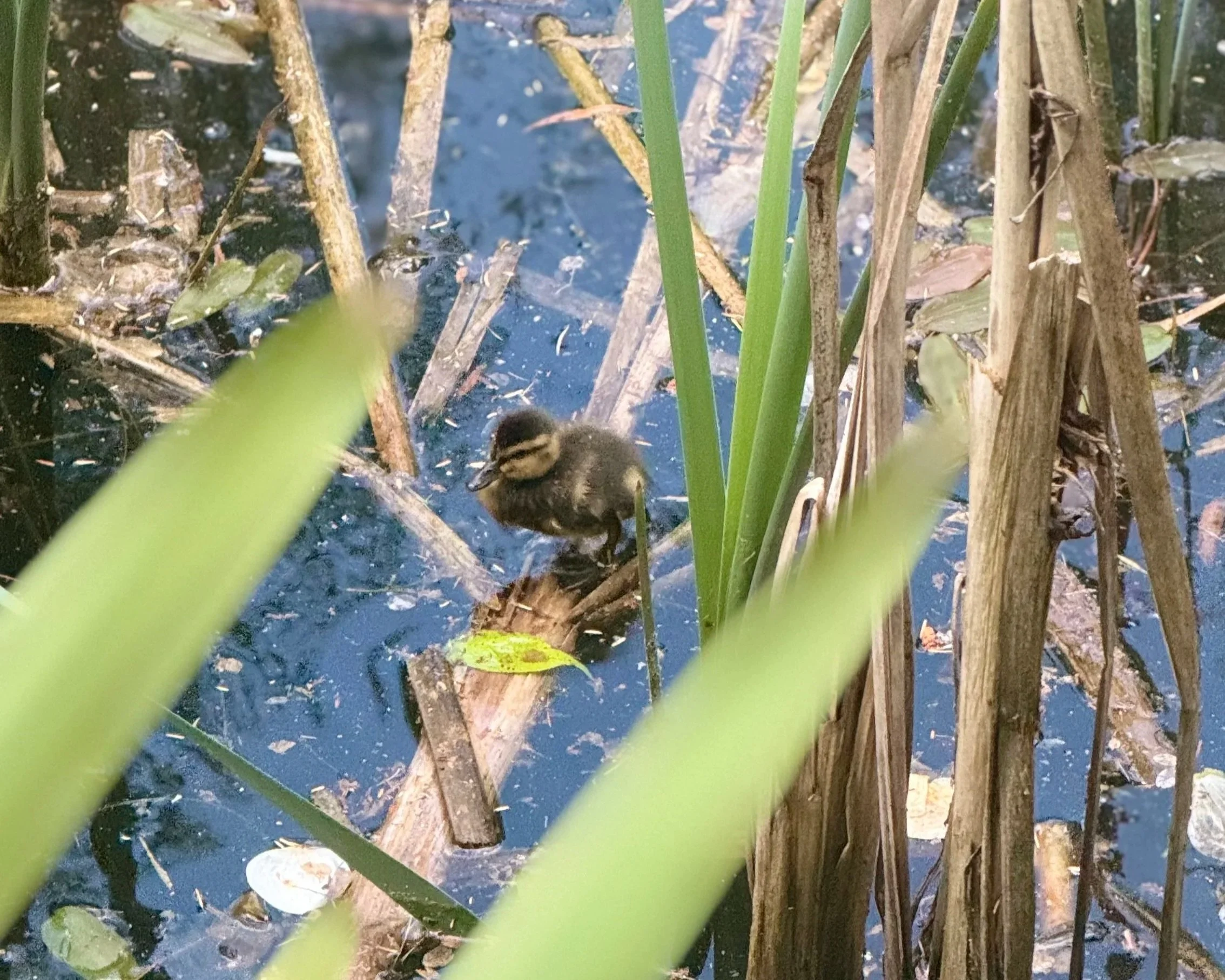
That does not mean abandoning what we already know. It means refusing to believe that one body of knowledge, one technology or one established method will ever be the final answer.
It means bringing different forms of knowledge together with humility: listening to people who have lived in relationship with the land across generations, learning from scientific research, remaining curious about new technologies and continuing to observe what the land itself is telling us.
It also means becoming comfortable with the understanding that we will never be finished learning.
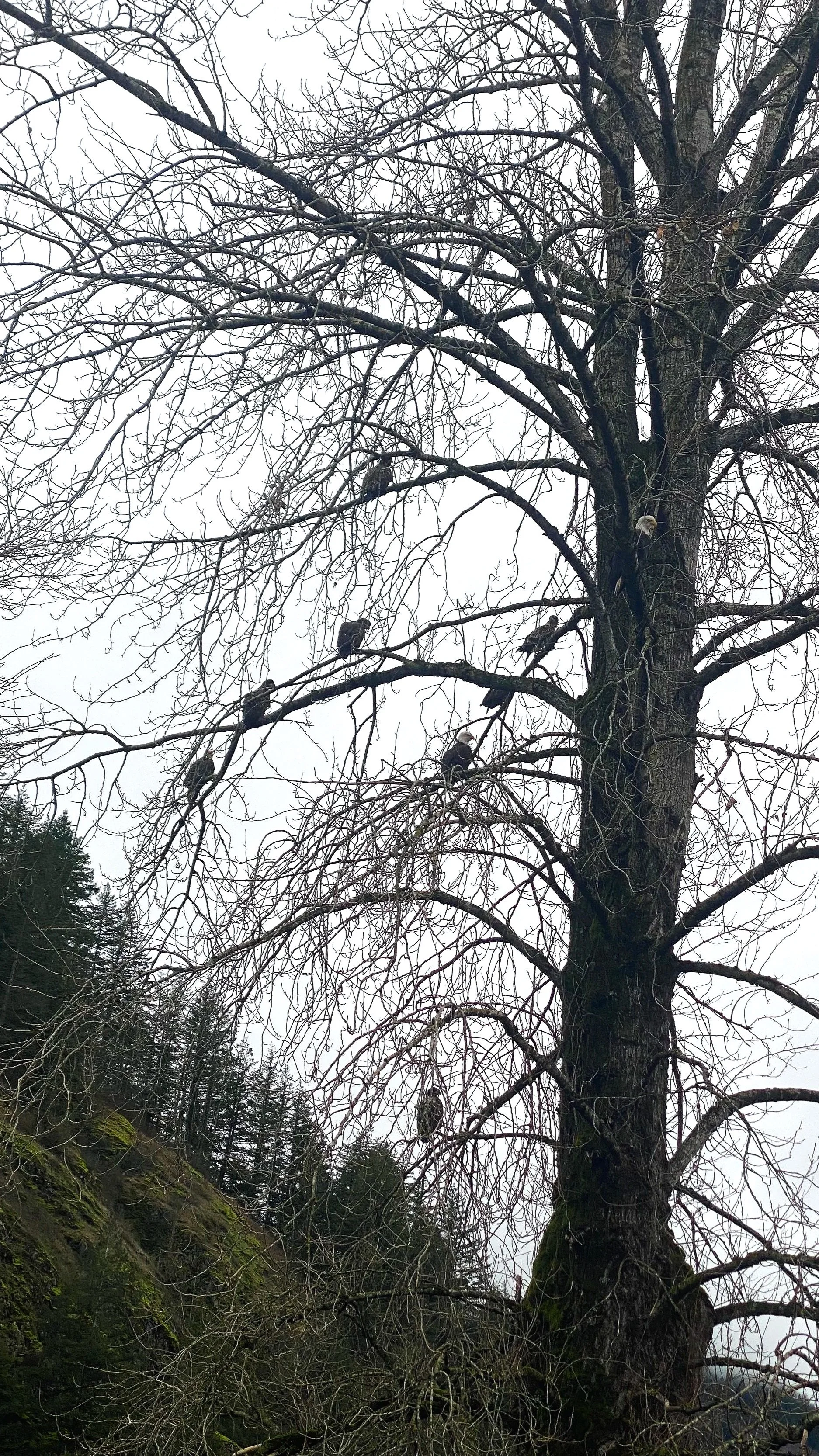
I knew a little when I arrived at Talaysay. I was curious, and I cared.
Then I learned more, and what I learned revealed how much more there was to understand. I learned from Indigenous knowledge holders, naturalists, conservation partners, books, research, conversations and time spent paying attention to the land itself.
That process has never stopped, and I hope it never does.
Perhaps that is part of stewardship too: releasing the need to arrive at certainty and choosing to remain attentive, teachable and willing to adapt.
Forest Voices grew from that continuing process of discovery.
The knowledge and expertise within the experience are not mine. My role was to recognize the threads shared through Indigenous knowledge, ecology, conservation, history and lived experience, then help bring those threads together into one place.
Forest Voices does not ask guests to become experts in an afternoon. It invites them to become present. It is an opportunity to listen more closely, look beyond the obvious and consider how greater awareness might change the way we move through the land.
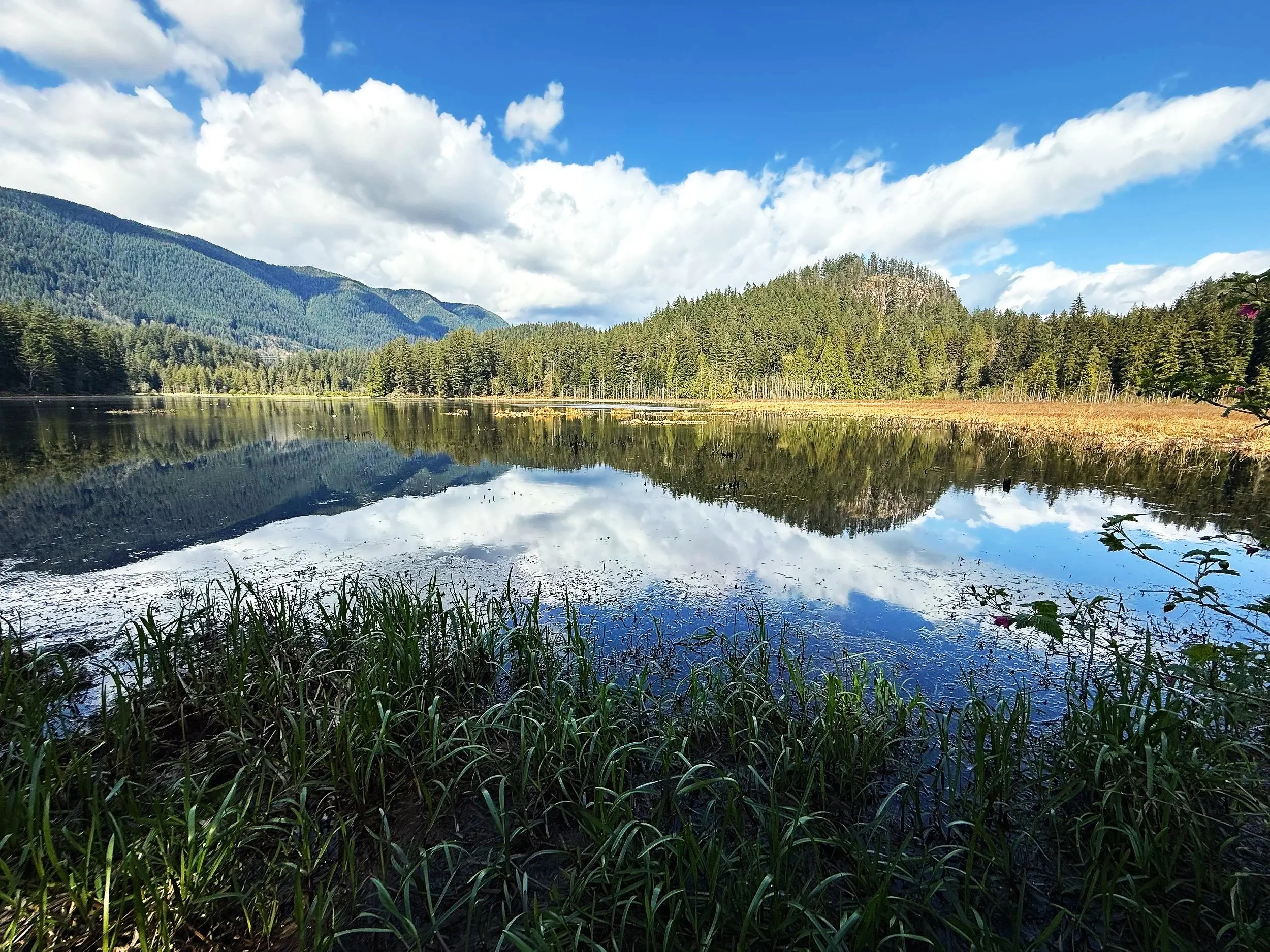
A forest may still be beautiful, but it is no longer only scenery. The grass beneath us is no longer an empty surface. A spiderweb is no longer merely an inconvenience. The moss, mushrooms, birds, insects, streams, roots and soil become part of an intricate living community whose relationships continue whether or not we are perceptive enough to notice them.
When the landscape stops being background,
conservation stops being an abstract idea.
It becomes a relationship.
And relationships ask something of us.
About the Author
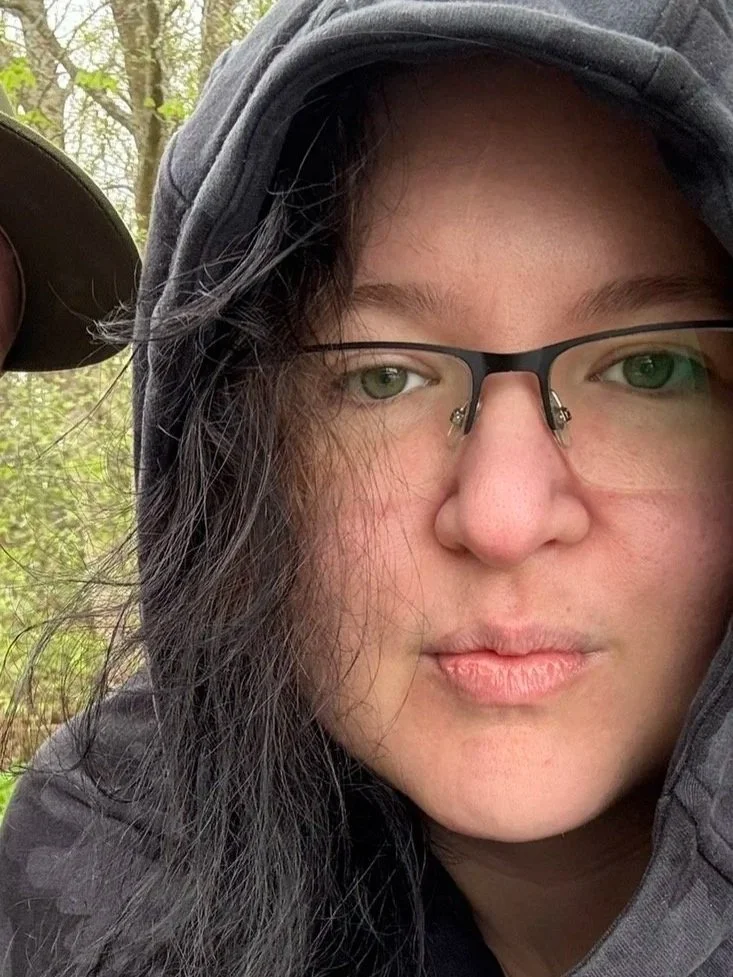
Liz is the General Manager of Talaysay Tours, where she works across operations, storytelling, design, systems, guest experience, and land-based learning.
Her writing and photography are shaped by a lifelong habit of noticing the small living details of place: birds, plants, webs, wetlands, forests, shorelines, and the quiet relationships that hold them together. She brings a reflective, conservation-minded lens to the ways people connect with land, memory, ecology, and responsibility.
Image Credits
All images in this article are original photographs by Liz, captured across British Columbia.
Image locations, in order of appearance:
Spider webs, Maple Ridge, BC
Lost Lake trail area, Whistler, BC
Baby spider web, Maple Ridge, BC
Saltwater marshes, George C. Reifel Migratory Bird Sanctuary, Tsawwassen, BC
Tiny mushrooms and moss, Minnekhada Marsh, Coquitlam, BC
Nurse log and forest layers, Minnekhada Marsh, Coquitlam, BC
Duck on the pond, North Vancouver, BC
Beaver Lake bird bridge, Stanley Park, Vancouver, BC
Native plant garden, George C. Reifel Migratory Bird Sanctuary, Tsawwassen, BC
Oceanspray plant, Mount Douglas Beach, Vancouver Island, BC
Geese in the lagoon, Esquimalt Lagoon Migratory Bird Sanctuary, Colwood, Vancouver Island, BC
Herons and geese in the lagoon, Esquimalt Lagoon Migratory Bird Sanctuary, Colwood, Vancouver Island, BC
First native plant in our garden, deer fern, North Vancouver, BC
Native plant garden, George C. Reifel Migratory Bird Sanctuary, Tsawwassen, BC
Lake view while paddling, Matheson Lake, Vancouver Island, BC
Porteau Cove, Sea to Sky, BC
Duckling in mat-rush, North Vancouver, BC
Families of bald eagles, Deroche, BC
Marsh view, Minnekhada Marsh, Coquitlam, BC