
The Importance of June and Celebrating Indigenous History
Seasonal abundance, Coast Salish knowledge, and our responsibility to care for the lands and waters around us.
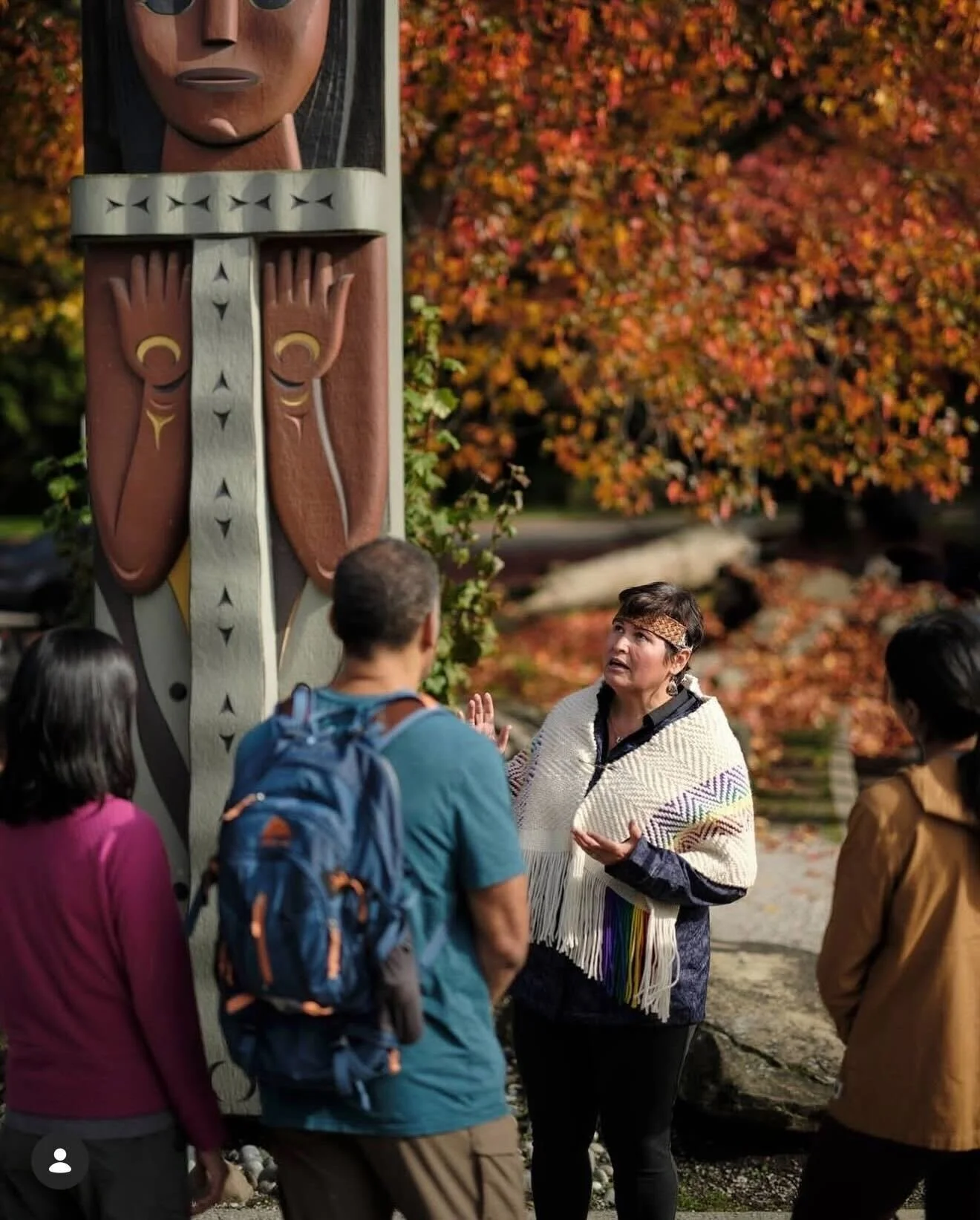
Celebrating Indigenous History Month
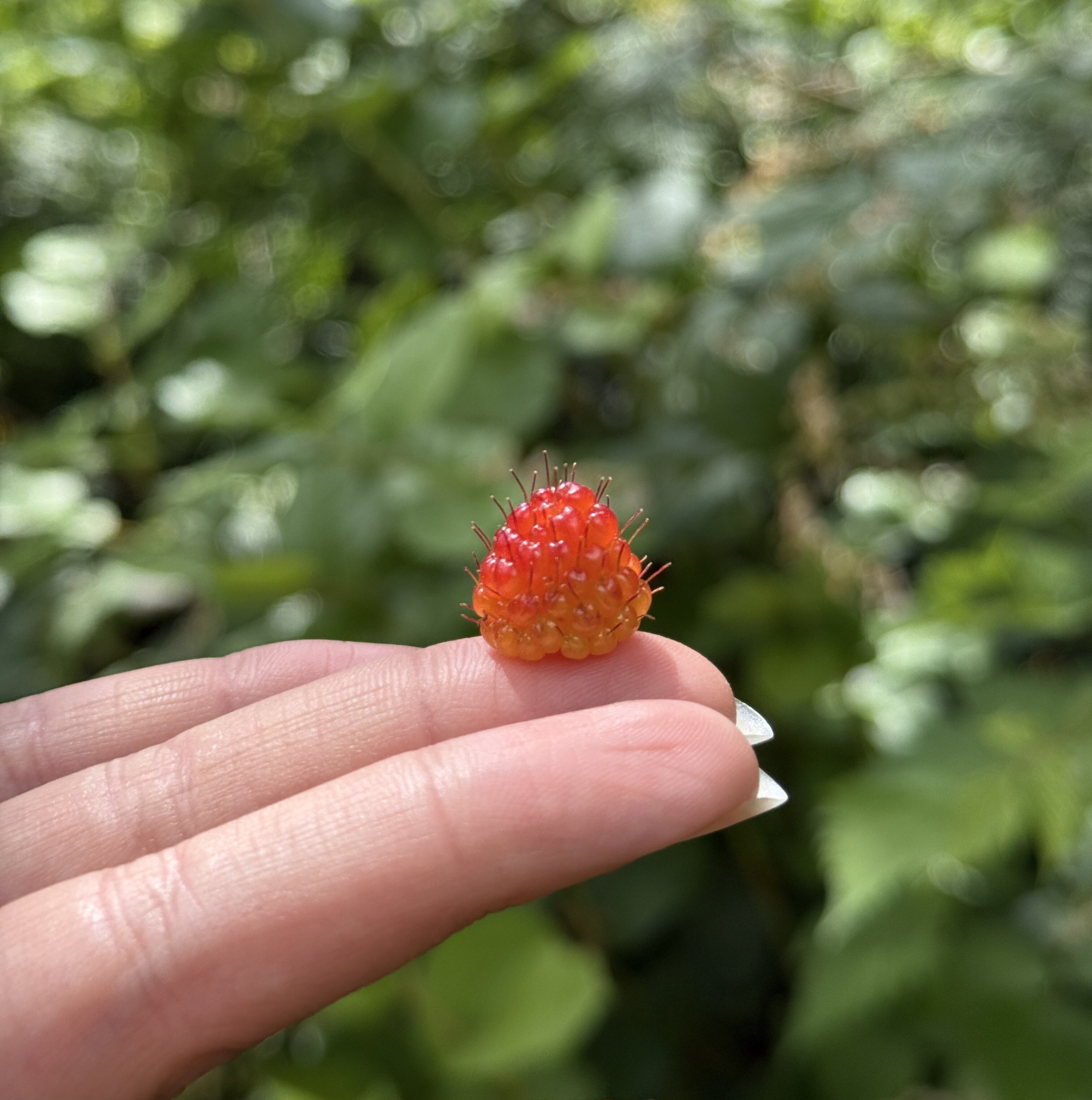
The month of June, also known as tem ḵwiḵw̕el shalshal in she shashishalhem, roughly translates to “Month of the Salmonberry”. In June, there is a shift of incredible ecological abundance in the Salish Sea, so as you can imagine it was (and still is!) a very busy time of harvesting and caring for the land for our coastal Indigenous peoples. Because of the importance of this period, June has been designated as the month to recognize and celebrate Indigenous history.
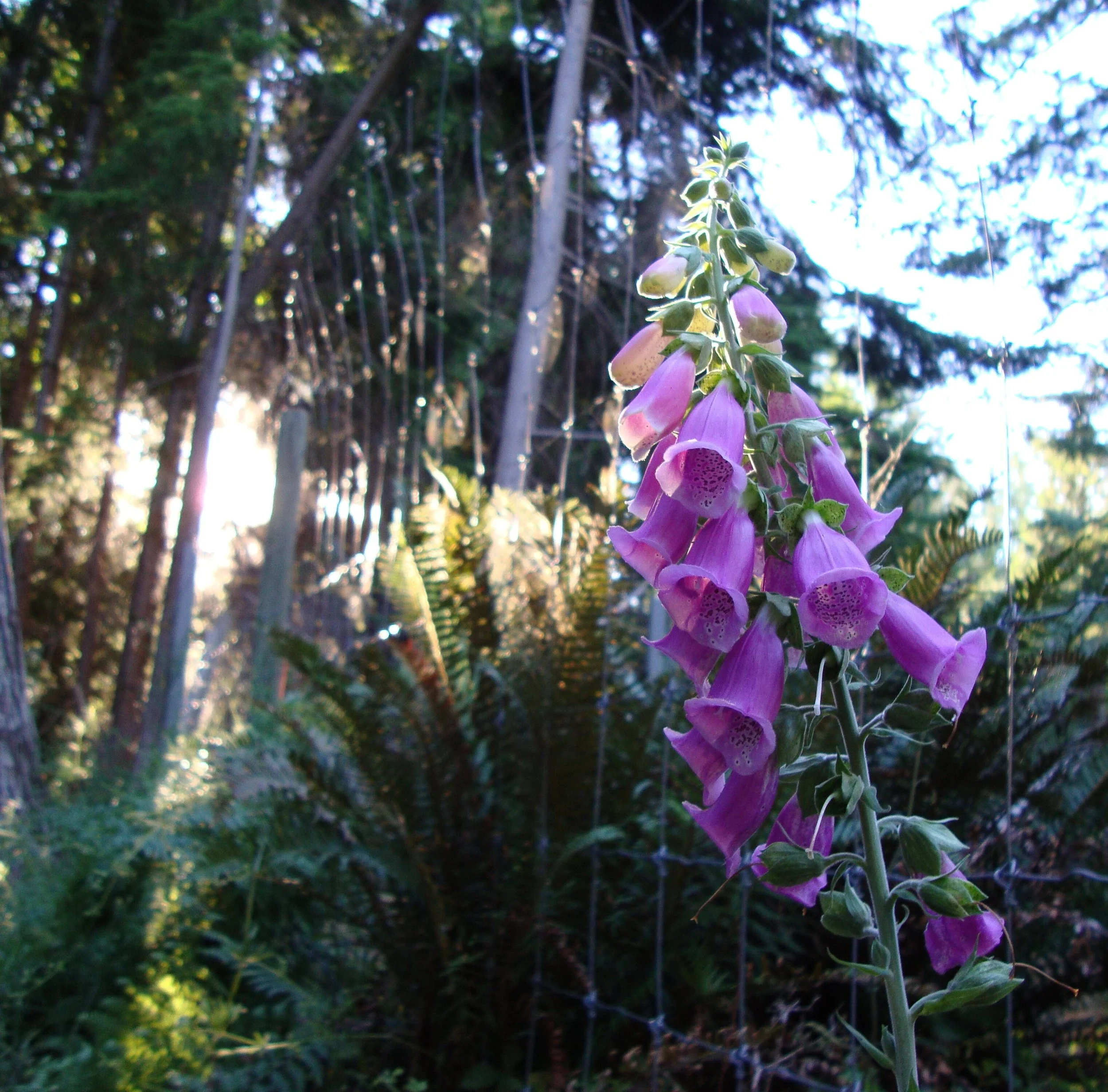
This thoughtfully coincides with the summer solstice, which falls on June 21st.
The summer solstice marks a culturally and spiritually significant time for Indigenous peoples across what is now known as Canada, which has been selected to celebrate National Indigenous Peoples Day. In this newsletter, we will explore why June is such an important time for our Indigenous peoples and what you can do to celebrate Indigenous history and culture!
The Importance of Indigenous Knowledge
In shíshálh culture, our knowledge has been passed down through oral history for millennia which has deeply shaped our history. This knowledge was gathered through careful observation of the land and waters around us. For countless generations our ancestors observed seasonal changes, certain animal behaviours, the growth of plants, and weather patterns. This helped to nurture a deep understanding of the natural world and our place within it. They listened to what the land told them through patterns and changes in the natural world, and this living knowledge continues to guide our peoples to this day.
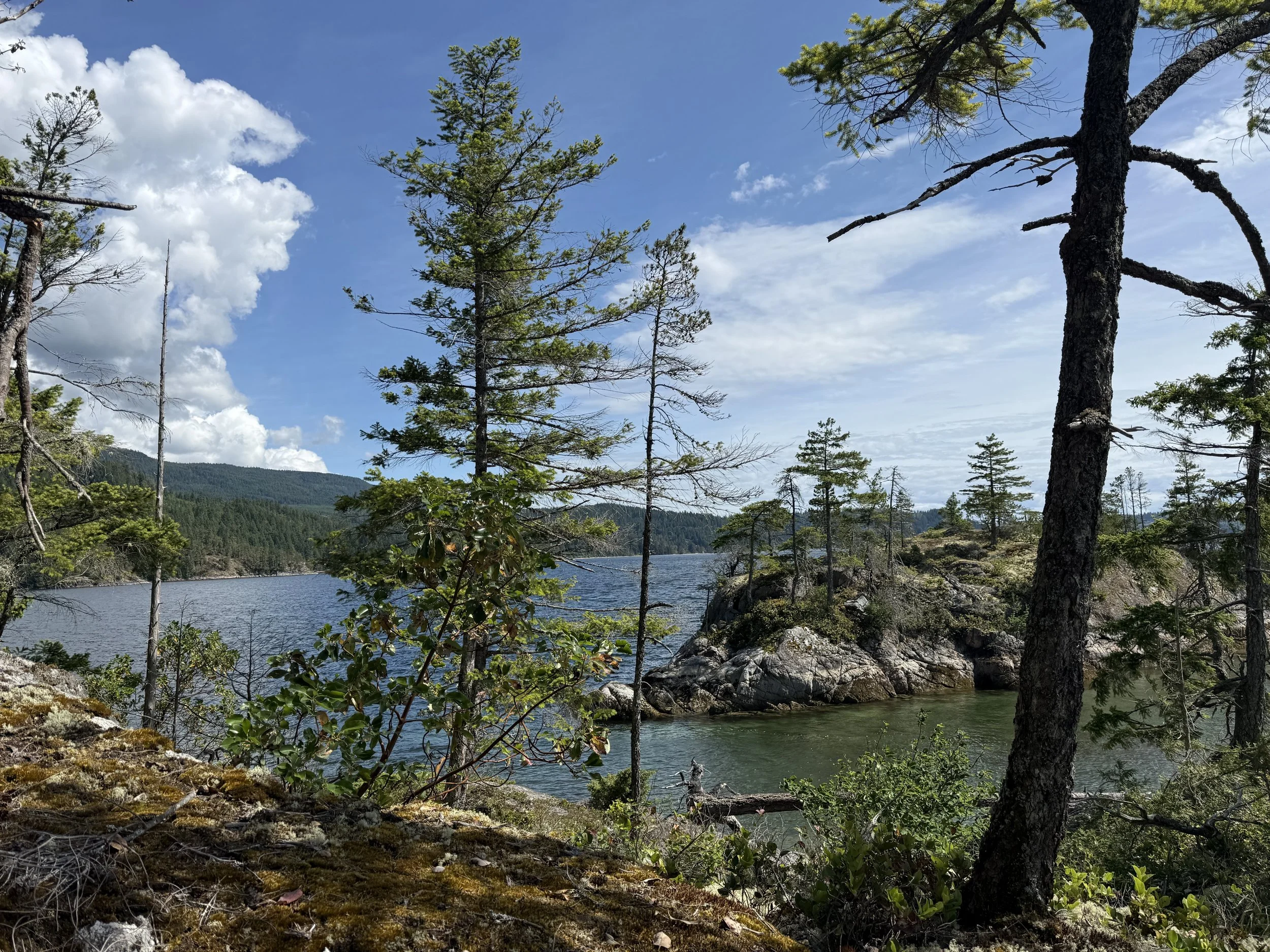
These relationships provide valuable information about our ecosystems and paint a picture of ecological health.
The ripening of fruits and berries, the arrival of migratory birds, the timing of salmon runs, and greater weather changes are interconnected and often rely on each other. With this in mind, let’s explore what some of these relationships have looked like for our Coast Salish peoples.
Indigenous Practices and Sustainability
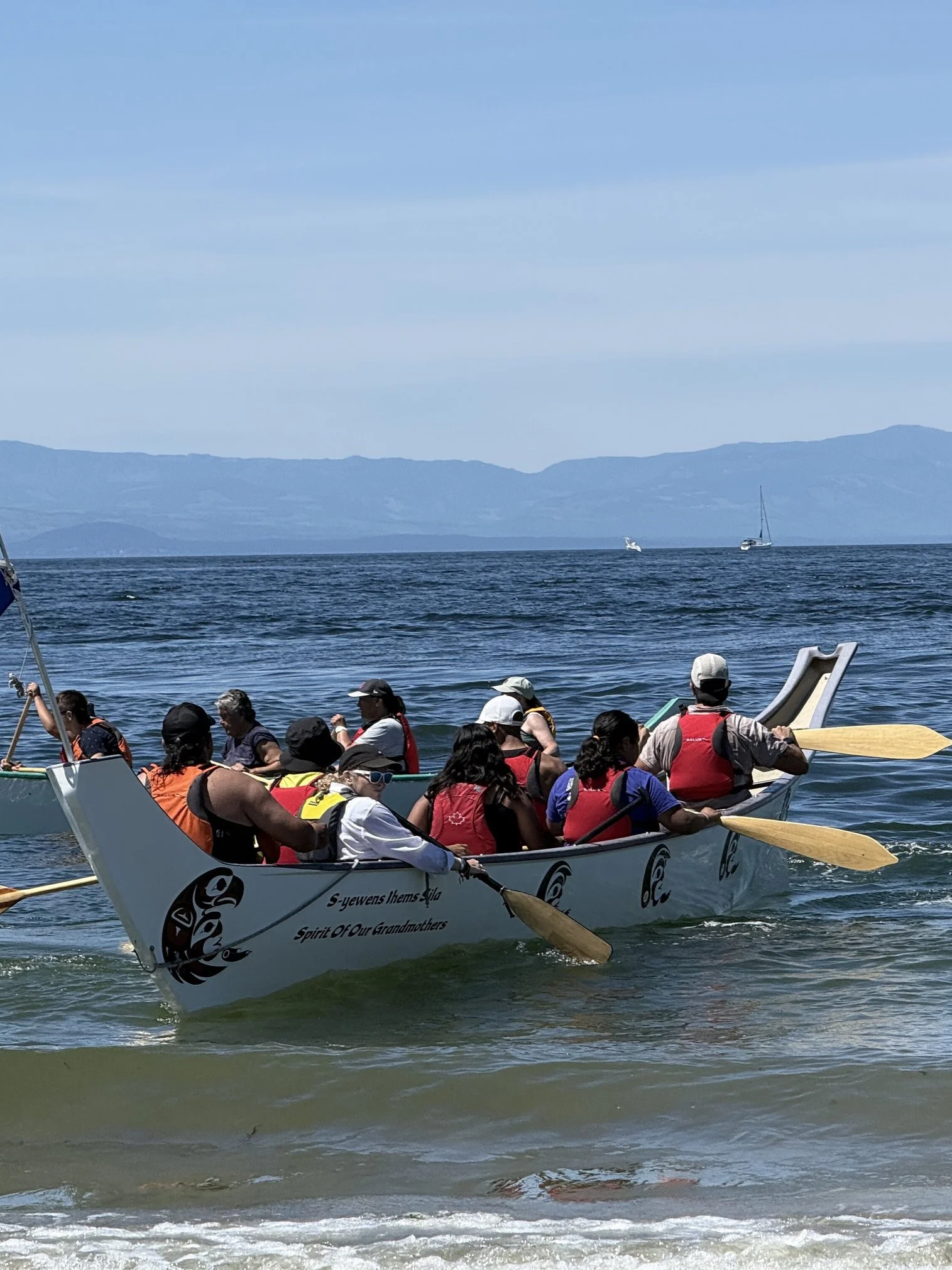
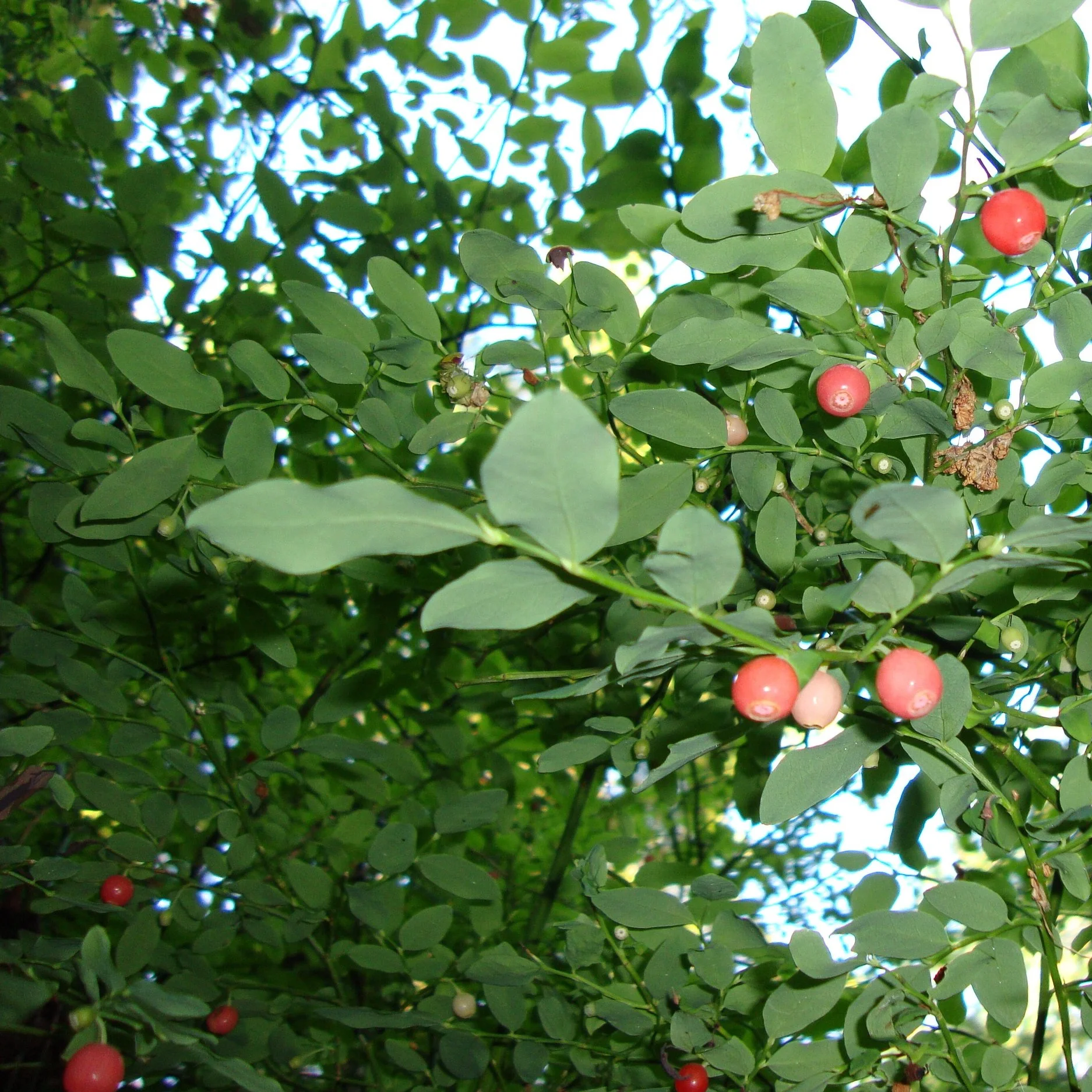
tem ḵwiḵw̕el shalshal is a time of abundance here in the Salish Sea, and abundance brings responsibility. Our peoples would be carefully harvesting salmonberries and huckleberries in our berry patches and forest gardens. Entire families would travel by canoe to seasonal harvesting sites and pass down responsible and respectful harvesting protocols to their youth.
This ensured their youth would be able to care for these resources…
…so they would continue to support our communities for generations.
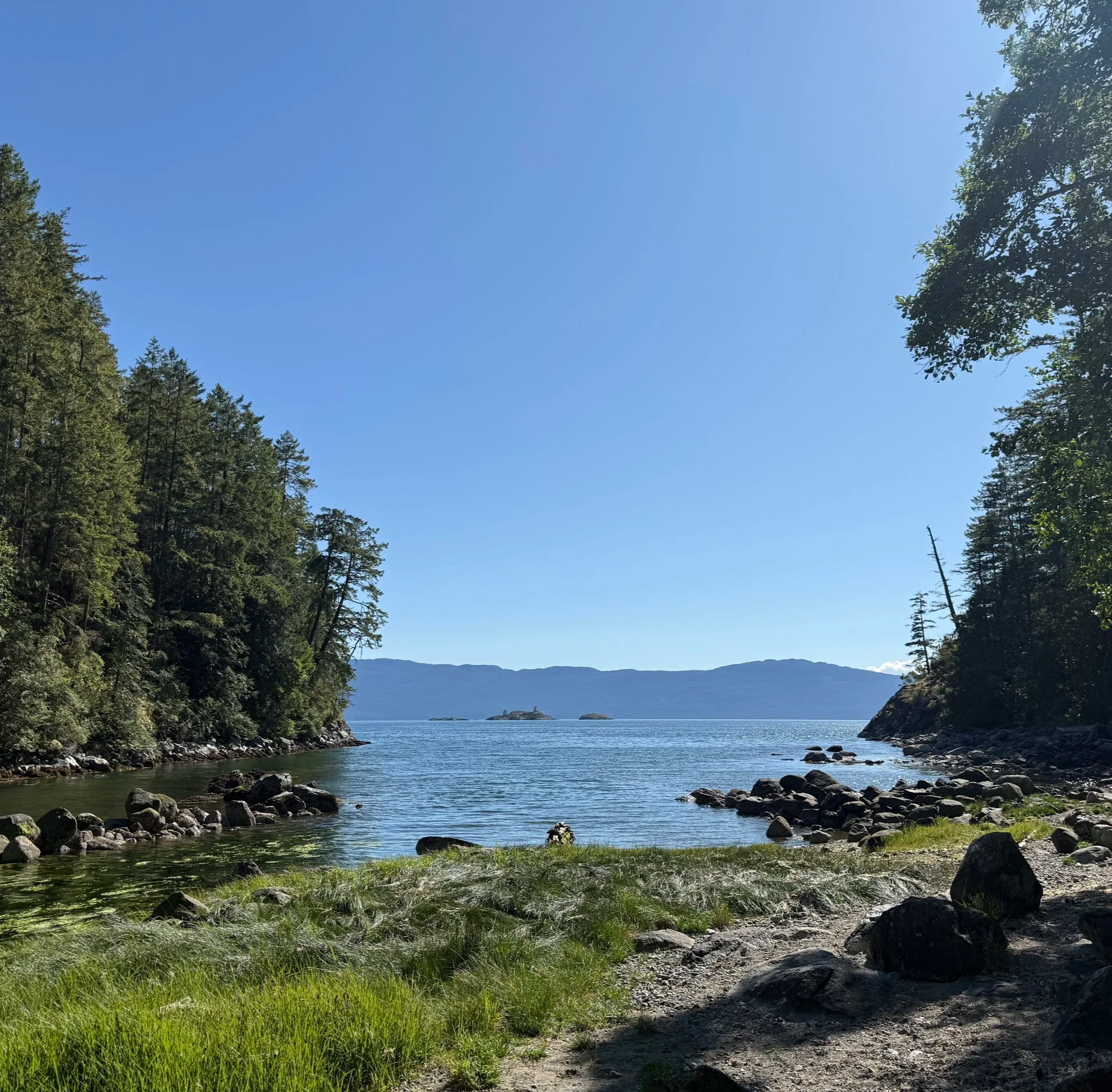
Our stewardship did not end at taking care of our terrestrial resources
Our ancestors carefully monitored the spawning salmon and subsequent runs to monitor the health of the population and decided how to harvest, if at all, based on our observations. We had hereditary leadership roles responsible for overseeing salmon harvesting, a vital resource which we shared within our communities, neighbouring Indigenous peoples, and relatives of the land and sea. These protocols and acts of stewardship ensured that this abundance was not only carefully managed and sustained but shared as well. This reinforces our worldview in which humans bear great responsibility to care for and be part of the land and water, not separate from them.
How You Can Celebrate Indigenous History and Culture
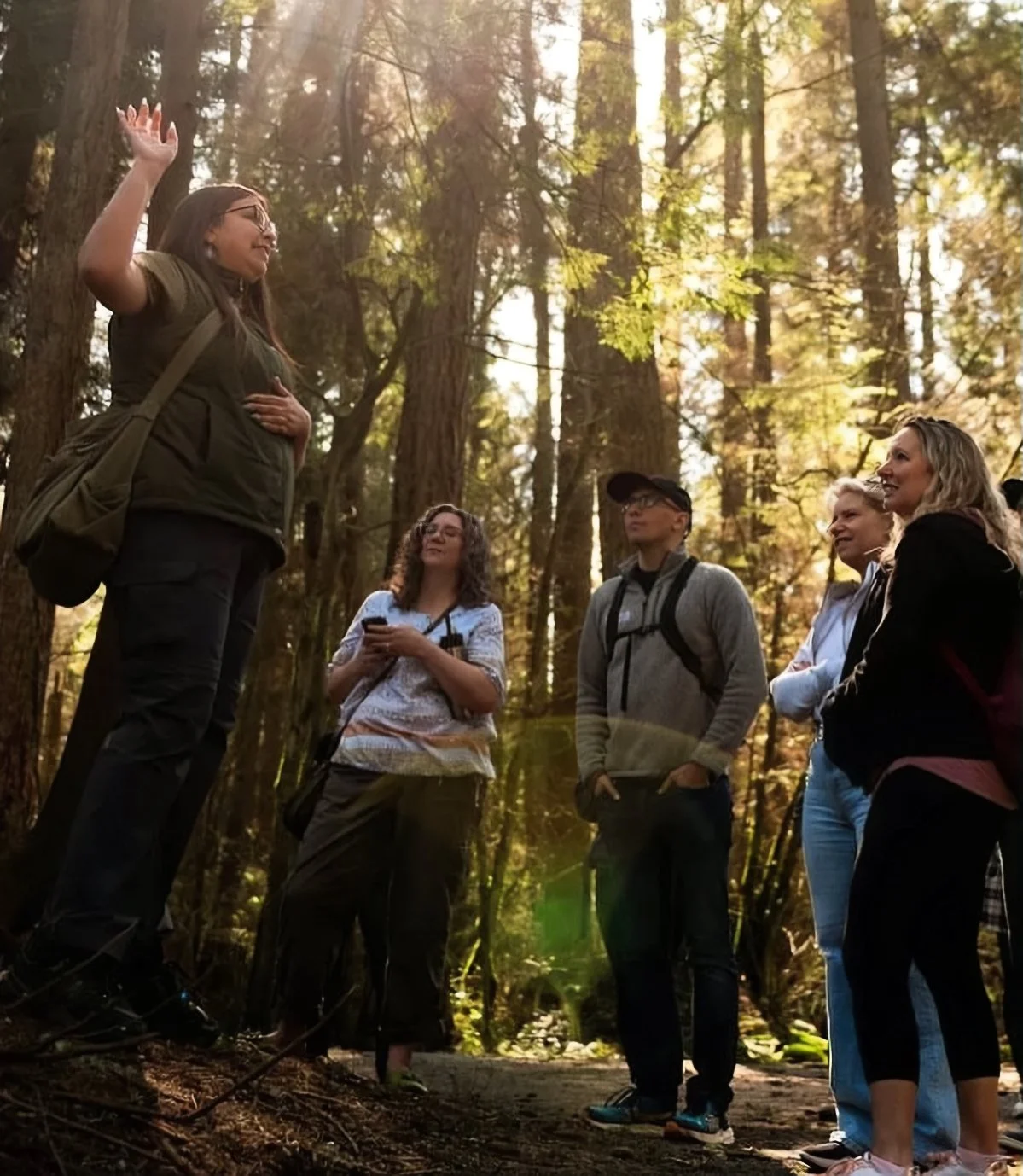
During Indigenous History Month, we are all encouraged to reflect on our histories and further our knowledge. For those who want to learn from and support Indigenous cultures and communities, there are many ways to continue learning in a meaningful way, including:
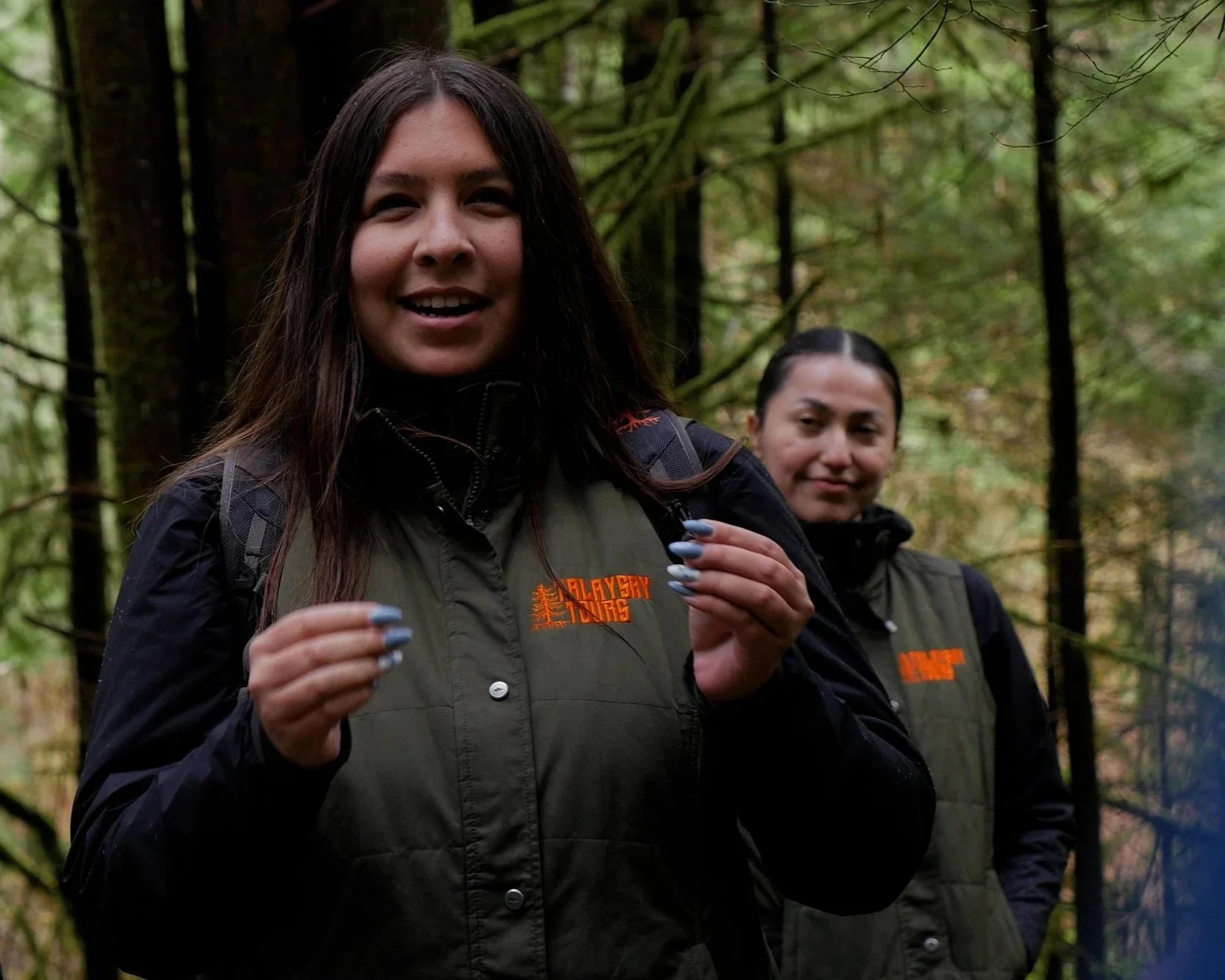
Learn whose territory you live on and the traditional place names
Attending Indigenous workshops
Reading books by Indigenous authors (“Medicine Wheel For The Planet” by Dr. Jennifer Grenz is an amazing read!)
Spending time on the land through an Indigenous ecological lens
Supporting Indigenous artists, authors, tourism, and businesses
Attending Indigenous cultural events that are open to the public
Support local ecosystem health by volunteering for your local invasive plant removal projects
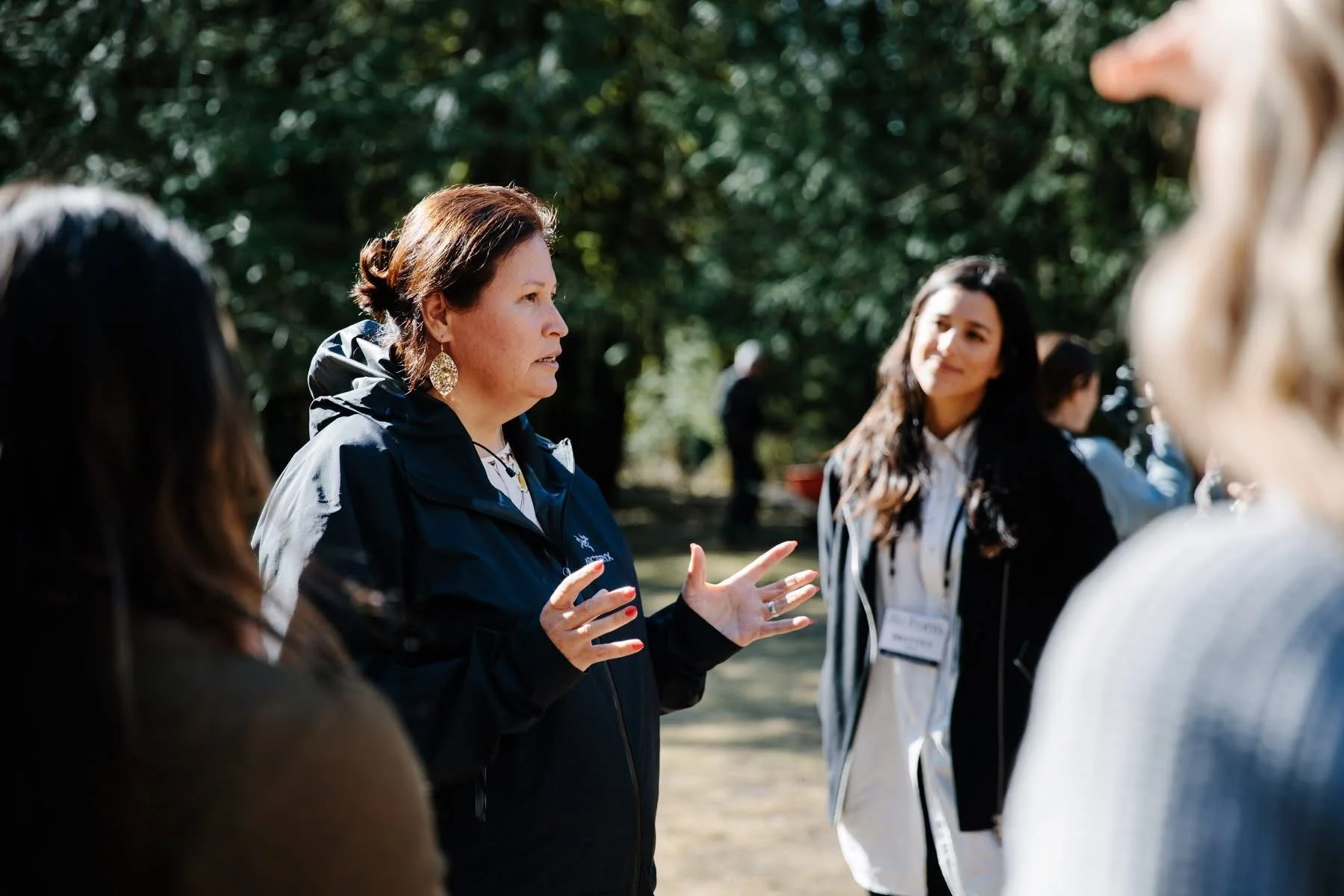
We thank you for taking the time to listen and learn with us this month, and we encourage you to continue nurturing your own relationship with the lands and waters around you.
ʔúl-nú-msh-chxw ʔe ch’e s-yát (Thank you all)
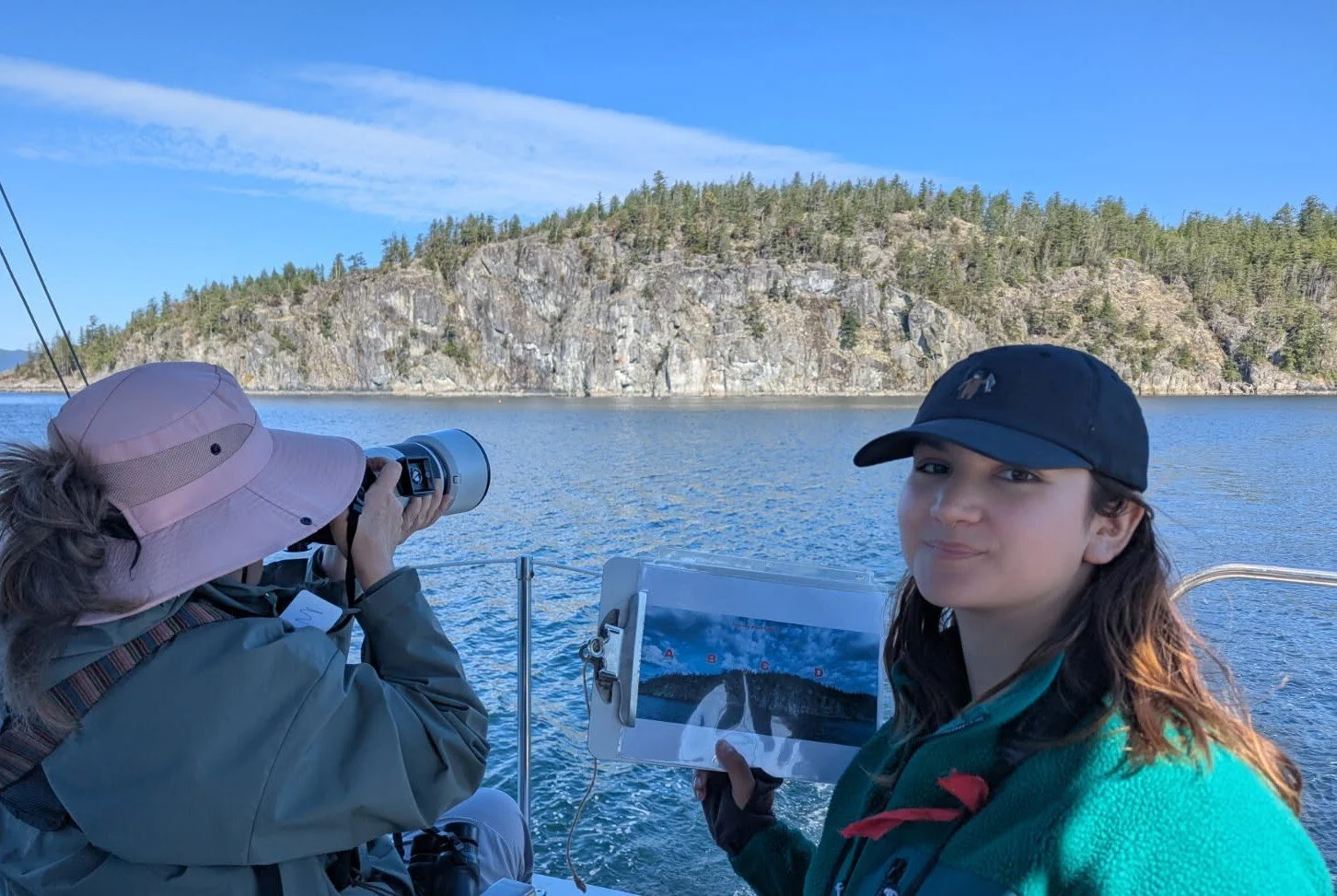
About the Author
Anneke is a member of the shíshálh Nation, with Ts'msyen, shíshálh, and Dutch ancestry. Born and raised just a hop, skip, and a jump away from the Salish Sea, she spends much of her free time exploring local ecosystems and satisfying her curiosity whether that’s up in the mountains or beneath the waves. If she could be any critter, she would be a sea bunny nudibranch.
Image Credits
Candace Campo Guiding — Talaysay Tours Media — Pápiy̓eḵ (Brockton Point), Stanley Park, on the shared, unceded territories of the xʷməθkʷəy̓əm (Musqueam), Sḵwx̱wú7mesh (Squamish), and səlilwətaɬ (Tsleil-Waututh) Nations
Foxglove — Anneke — Halfmoon Bay, shíshálh Territory
Canoe — Anneke — Davis Bay, shíshálh Territory
Tuwanek Point — Anneke — Tuwanek, shíshálh Territory
Huckleberry — Anneke — Halfmoon Bay, shíshálh Territory
Salmonberry — Anneke — Halfmoon Bay, shíshálh Territory
Sakinaw Lake Outflow — Anneke — Sakinaw Lake, shíshálh Territory
TalaysayTours TalkingTrees — Talaysay Tours Media — X̱wáýx̱way, Stanley Park, on the shared, unceded territories of the xʷməθkʷəy̓əm (Musqueam), Sḵwx̱wú7mesh (Squamish), and səlilwətaɬ (Tsleil-Waututh) Nations
Seraphine Lewis & Talaysay Campo Guiding — Talaysay Tours Media — Capilano River Hatchery, Sḵwx̱wú7mesh (Squamish Nation) Territory
Candace Campo Guiding Tour — Talaysay Tours Media — X̱wáýx̱way, Stanley Park, on the shared, unceded territories of the xʷməθkʷəy̓əm (Musqueam), Sḵwx̱wú7mesh (Squamish), and səlilwətaɬ (Tsleil-Waututh) Nations
Anneke Vader - Author photo