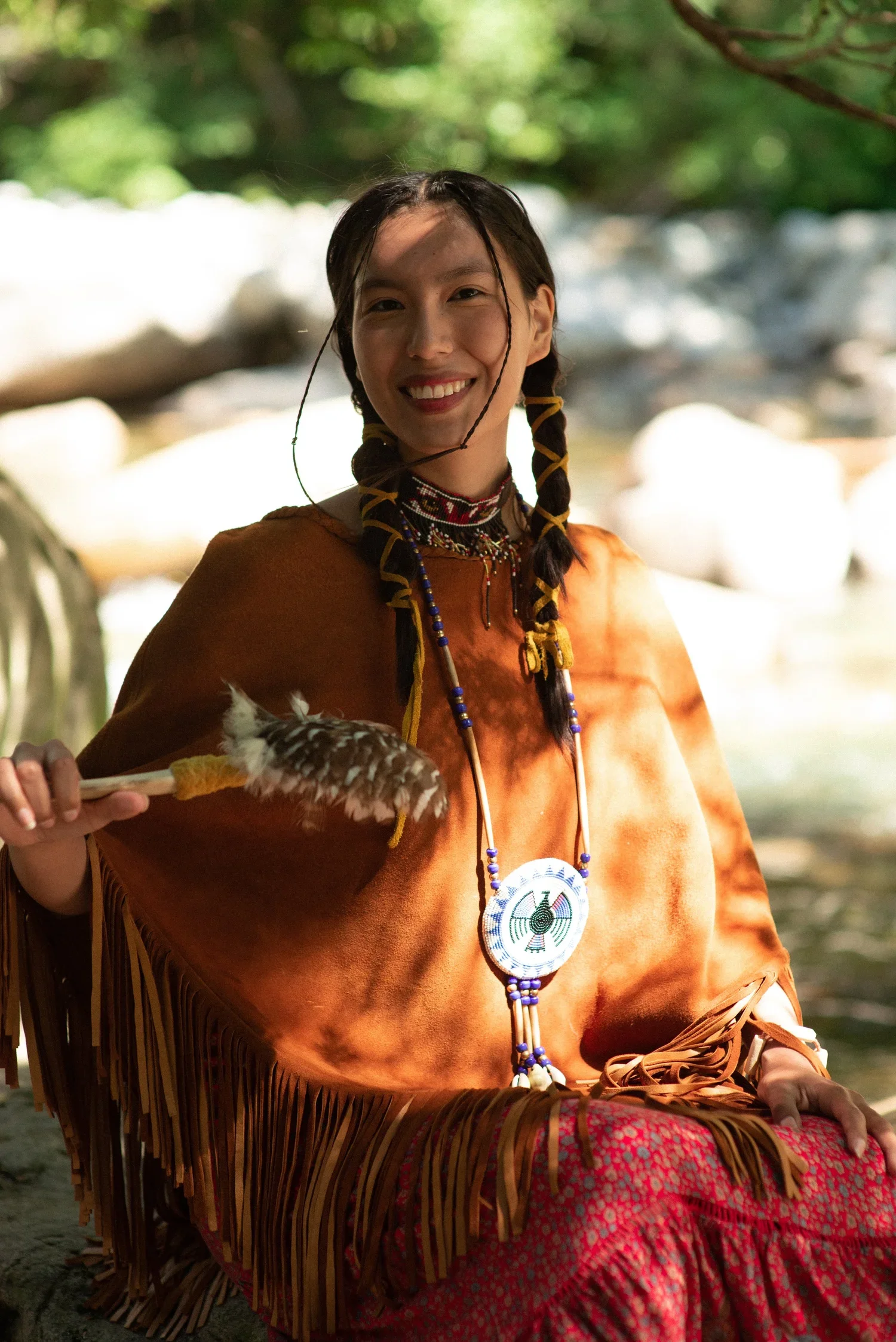
sḵw'eḵwchsáy — Huckleberry: Grandmother, Teacher, and Gift
From the Land • Frog Moon — Ayiki-pîsim (Cree) • Berry Season
sḵw'eḵwchsáy (skw-EKW-ch-sigh) — Huckleberry | Sḵwx̱wú7mesh Sníchim
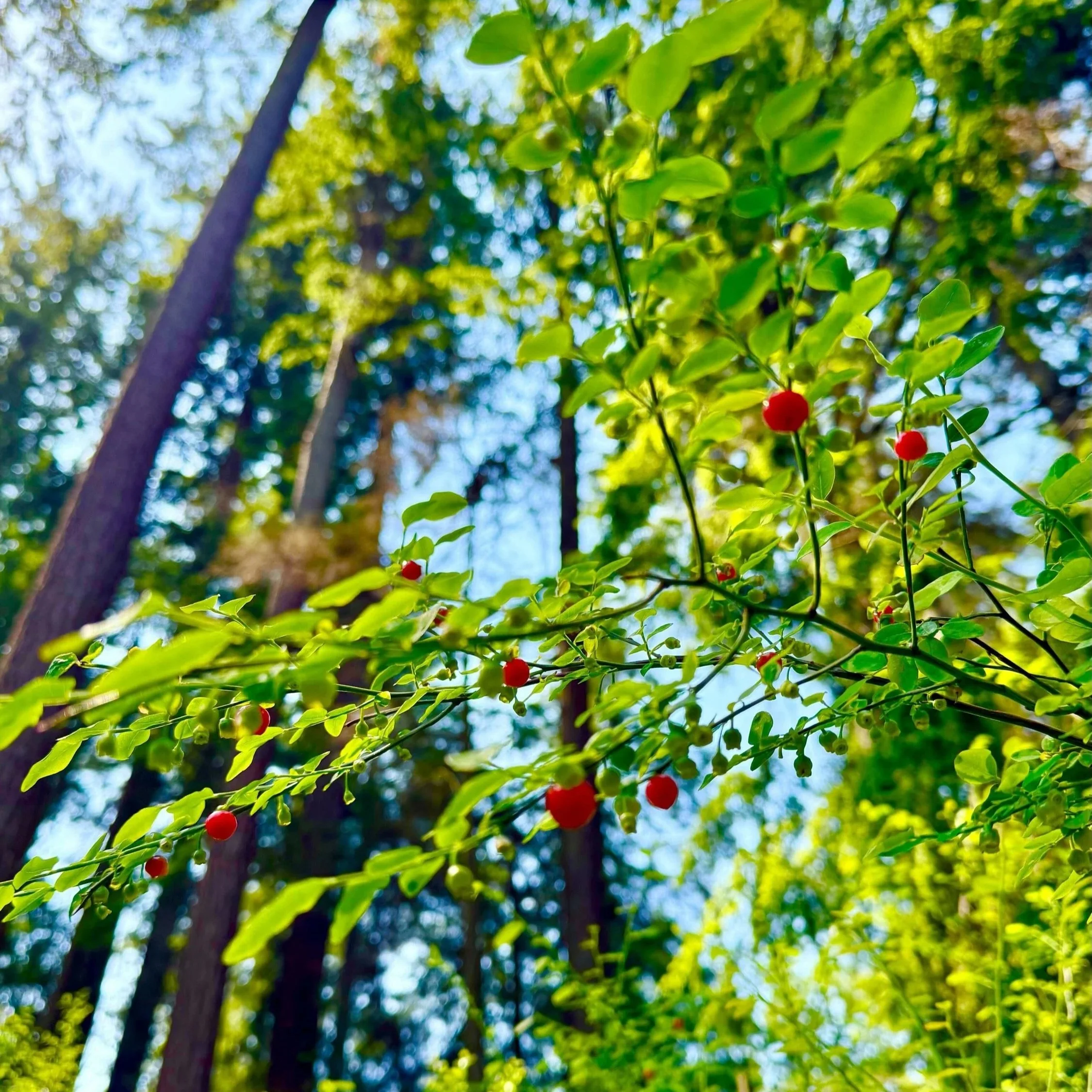
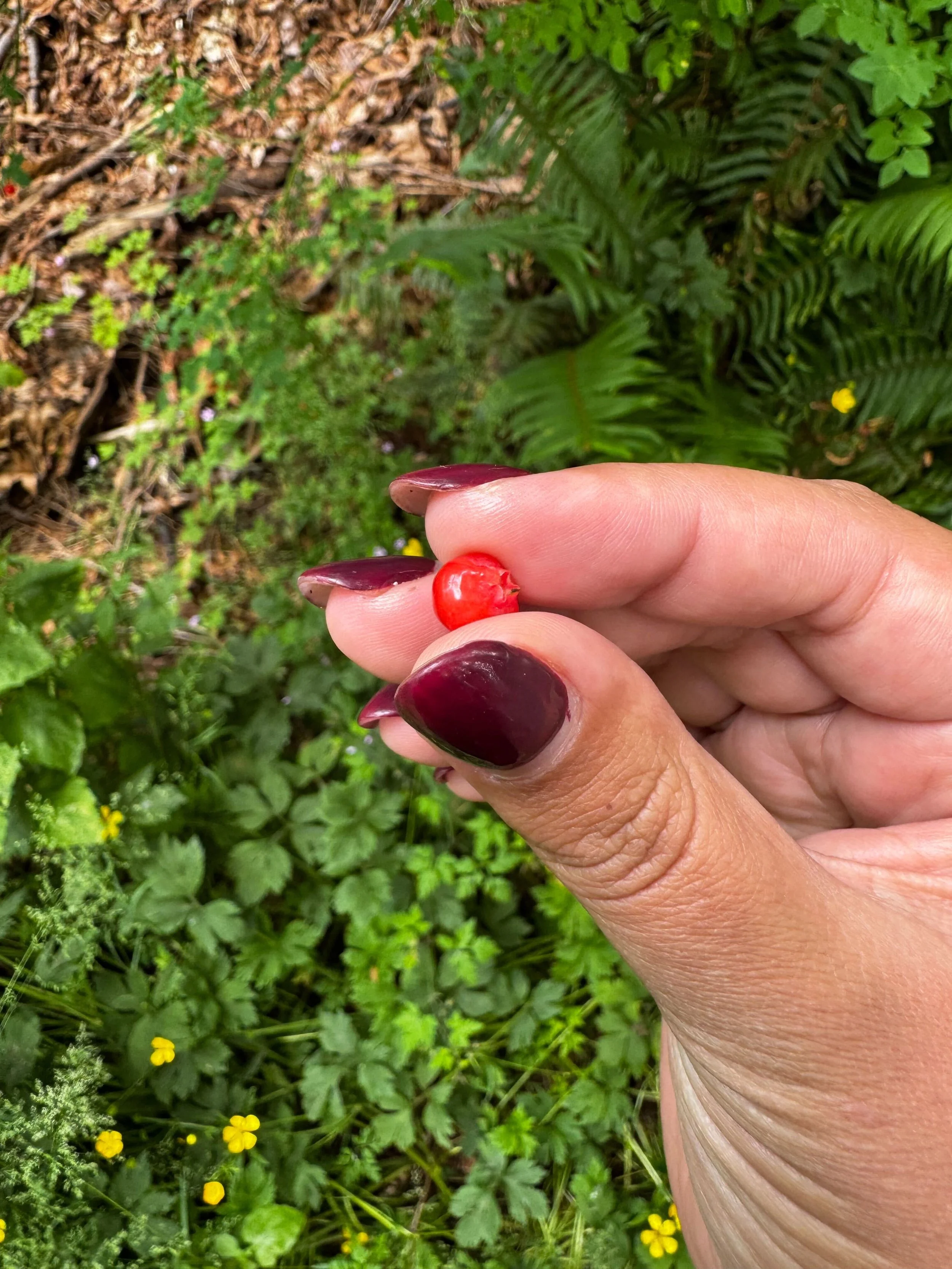
A closer peek reveals the red salmon roe-shaped berries…
…larger than the pinky nail of your finger. A berry irresistible to taste.
An Invitation from the Forest
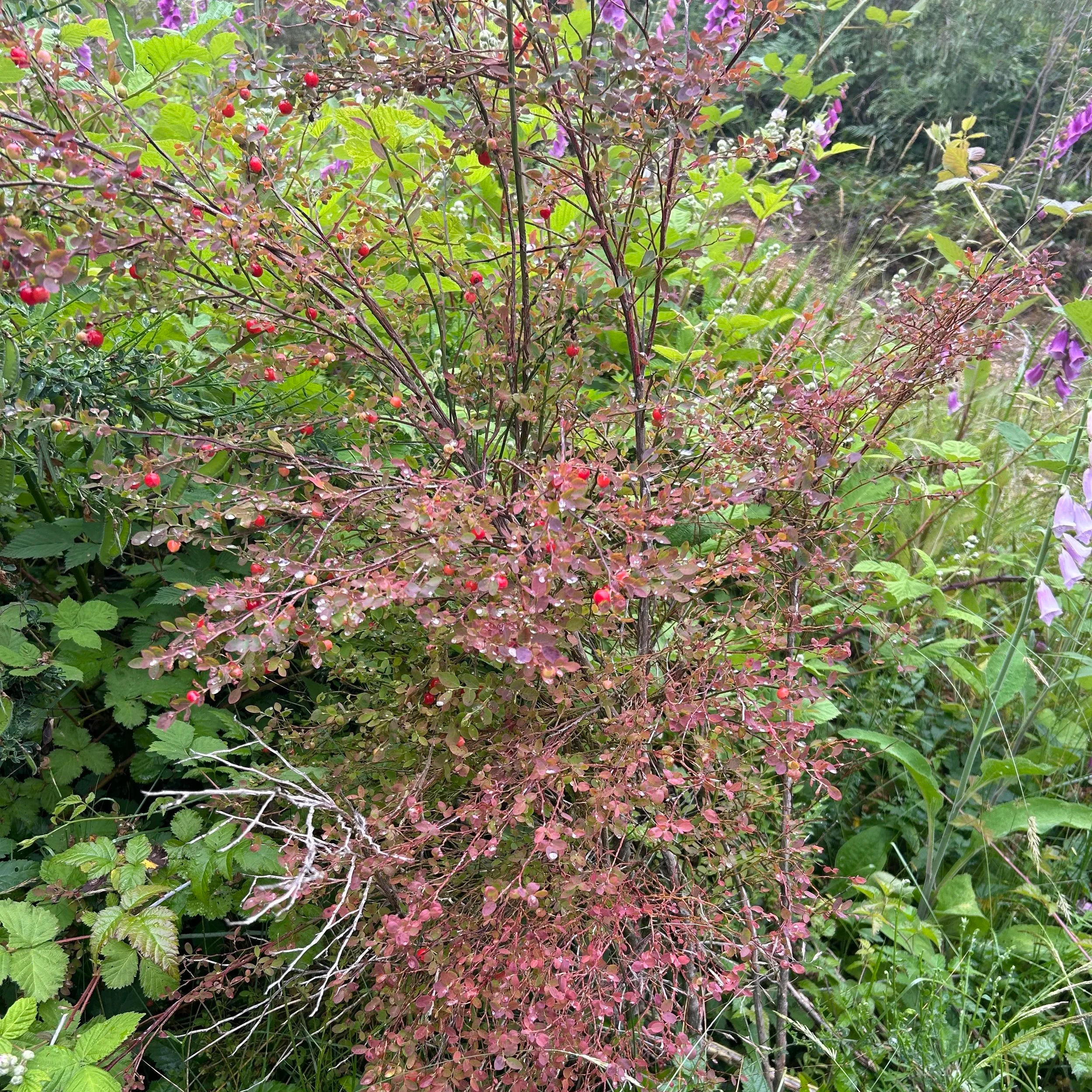
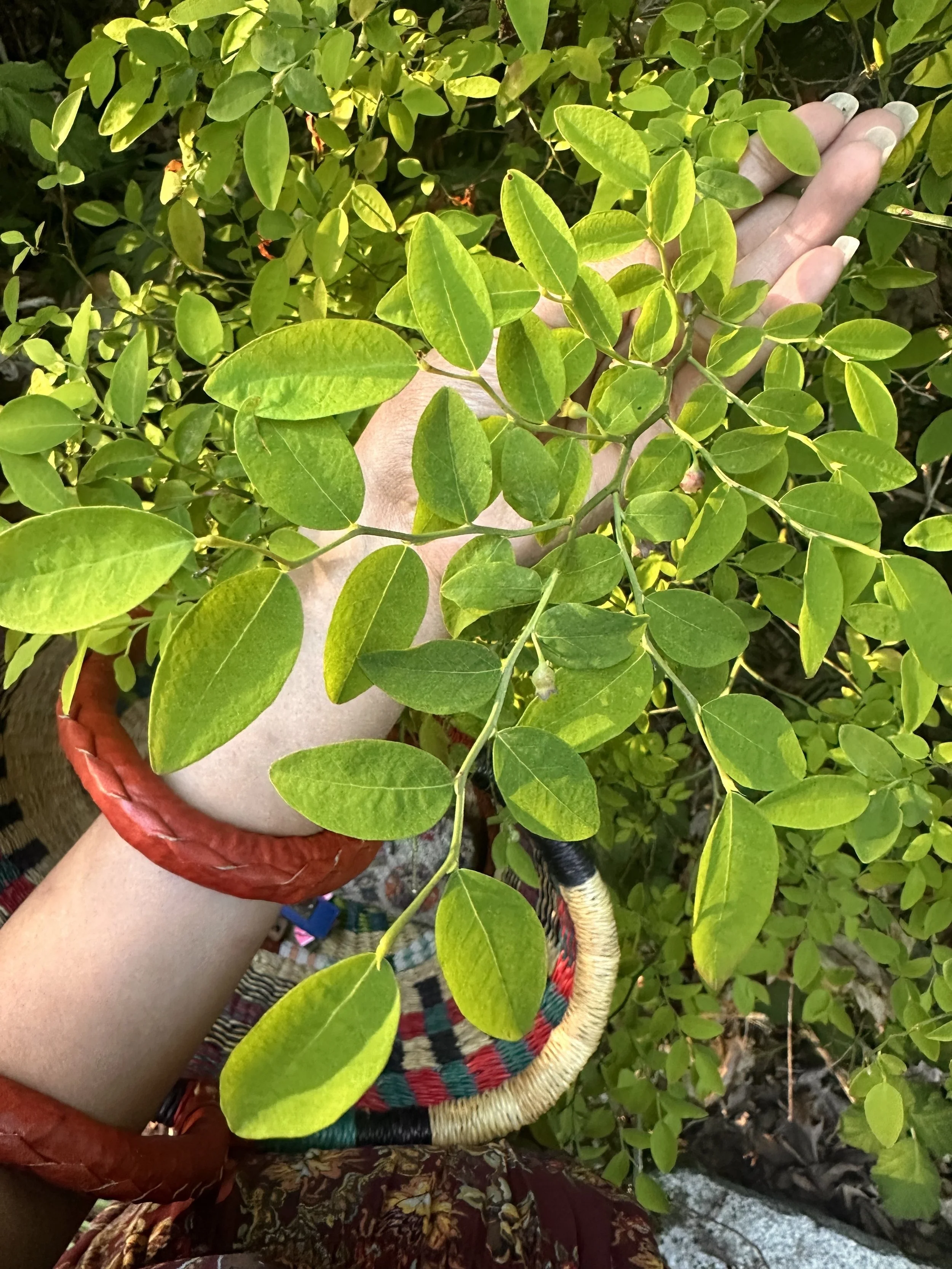
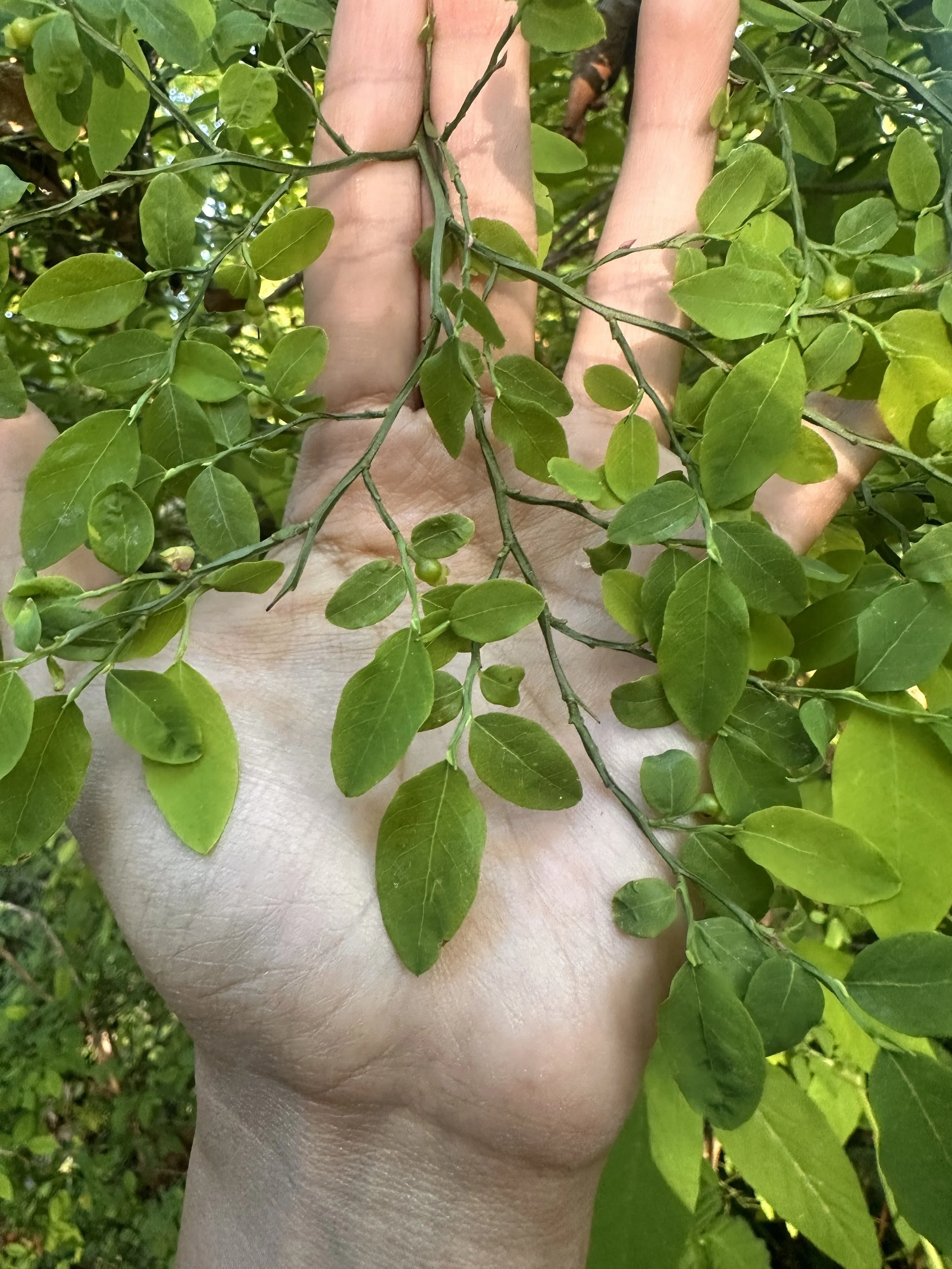
With the coming summer equinox late spring turnaround you will see an unfolding nature — lone standing bushes seemingly taller than the others, or the beauty of the flat, square brilliant green stem of the awakening Huckleberry bush. While traversing closer you will see a friendly relative. You immediately feel the warmth of the plant gesturing you to come closer. The invitation is not easy to decline. As you approach, you feel the soft small oval shaped leaves - friendly to touch. Smooth and slightly velvety. A closer peek reveals the red salmon roe-shaped berries, larger than the pinky nail of your finger. A berry irresistible to taste.
A Grandmother Plant
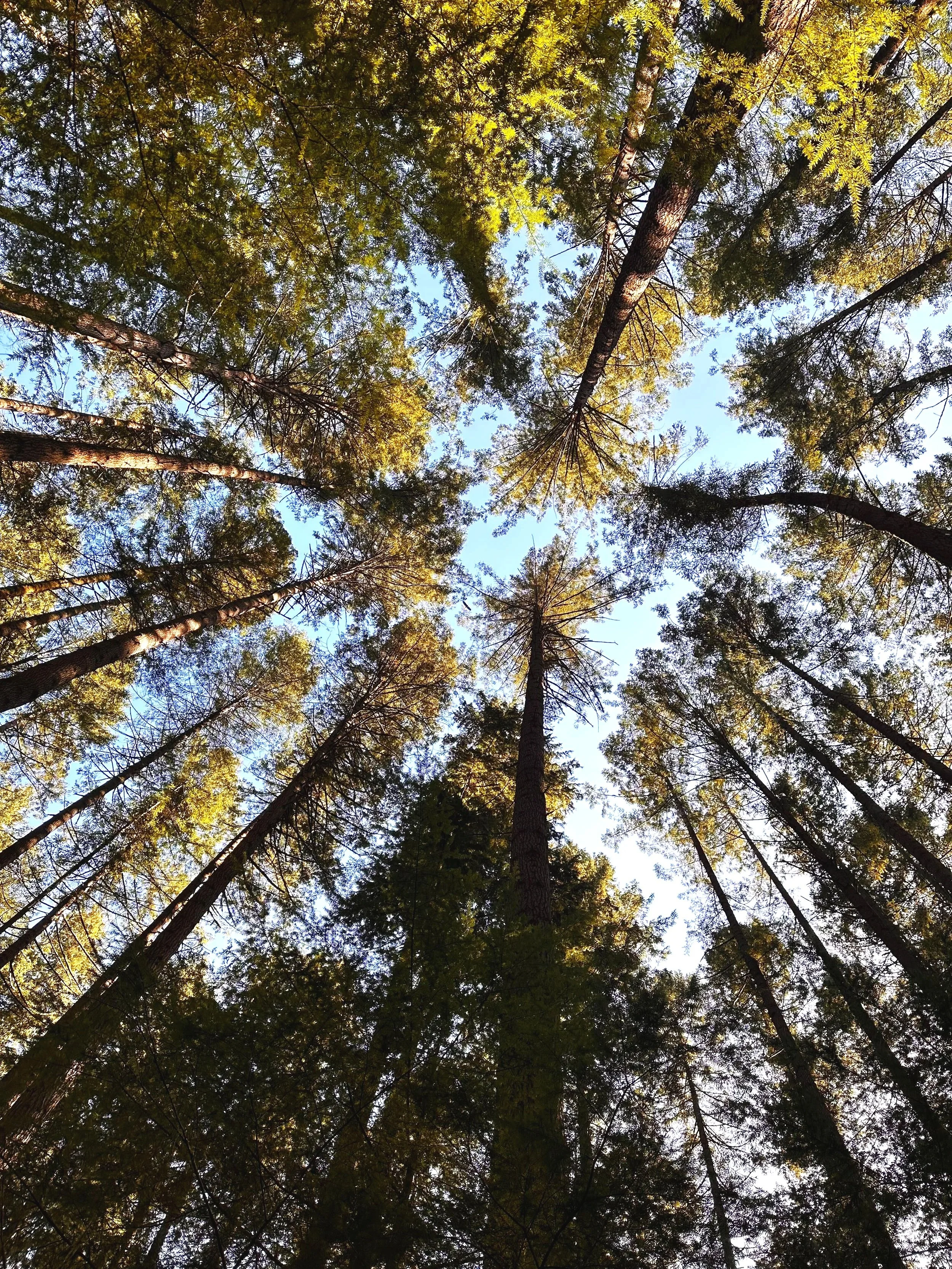
The huckleberry is one of the undeclared unofficial favourites of our guides here at Talaysay Tours. We would stand or sit by this grandmother for what seems to be the whole afternoon on a warm, vibrant summer day. They grow in a modest forest canopy area in mid to high humidity zones such as the Squamish Valley inlet, and Lynn Valley area. Sḵw'eḵwchsáy (bush) usually loves to grow in clusters, likened to a community supporting one other sustaining each other's nutrients in a symbiotic manner.
Caretakers of the Land
Forest gardens were typically maintained by our beautiful Coast Salish peoples and celebrated by the Kwakiutl peoples through their winter and other equinox ceremonies such as the first fruit (berry) bearing ceremony. Most of these gardens were seen by colonial eyes as "wild-like," "unkept" or untouched landscapes. Unbeknownst to colonialists, there was an intergenerational system between our Squamish peoples and other adjacent nations of communal land stewardship. Throughout generations, elders taught their children that the lands were gifted by our Great Spirit also known in Ojibwe, Gitche Manitou (Gih-itch-ee Man-iht-Ooo), that we were the stewards of this sacred gift. Other than the huckleberry Grandmother, each plant would be sustained by these harvesting laws set in place through each seasonal cycle, especially the spring and summer months. Our calendars from an Annishnabe/Ojibwe perspective were usually kept intact through our turtle relative, whose back represents the lunar and month cycle simultaneously. This knowledge was shared across northern Turtle Island which reached onto the coastal shores of where we now describe as the unceded territories of the Musqueam, Squamish, and Tsleil Waututh to this day.
From Harvest to Table: A Nourishing History
Traditionally, before contact on the Salish Inlet our foods consisted of berry stews, berry cakes, fruit leathers, and occasionally pemmican. My reason for including an honourable mention of pemmican is because it was our Plains Cree Nation, first "jerky" of Plains Cree people and surrounding communities used pemmican as a commodity in trade. Ingredients of pemmican, a sought-after food source were dried shredded lean meat, tallow, suet, dried berries (possibly the blue northern huckleberry), seeds, and sometimes nuts. Pemmican was seen as the first food preserve powerhouse, housing nutrients such as protein, fibre, vitamin E, vitamin B, and many other beneficial nutrients. This pemmican was our best way of survival through the harsh winters of the prairies and east coast. Our peoples would have distinct trade routes and sometimes pemmican would be utilized in the northern interior nations' harsher climates of British Columbia, due to the volatile and sometimes very hostile nature of the landscapes the territories were established upon. I would like to share a modern recipe that I introduced to our Grandmother huckleberry earlier.
Simple Huckleberry Vinaigrette
• 1 Cup of Red Huckleberries (fresh!)
• ¼ Cup Balsamic Vinaigrette
• ¾ Cup of Extra Virgin Olive Oil
• 1 tsp of Salt
• Pepper to taste
• ¼ tsp Dried Mint
• 1 tsp Dried Western Hemlock Needles, crushed
• 2 cloves or bulbs/stems of Wild Garlic, or store bought
Blend the freshly picked huckleberries into a food processor, or blender, with the balsamic vinaigrette, olive oil, and garlic. Set aside in a mason jar. Combine the dry ingredients in the mason jar and shake with the lid secured so no liquid contents spill.
Ready to serve on salads, to marinate salmon or garnish mussels.
About the Author
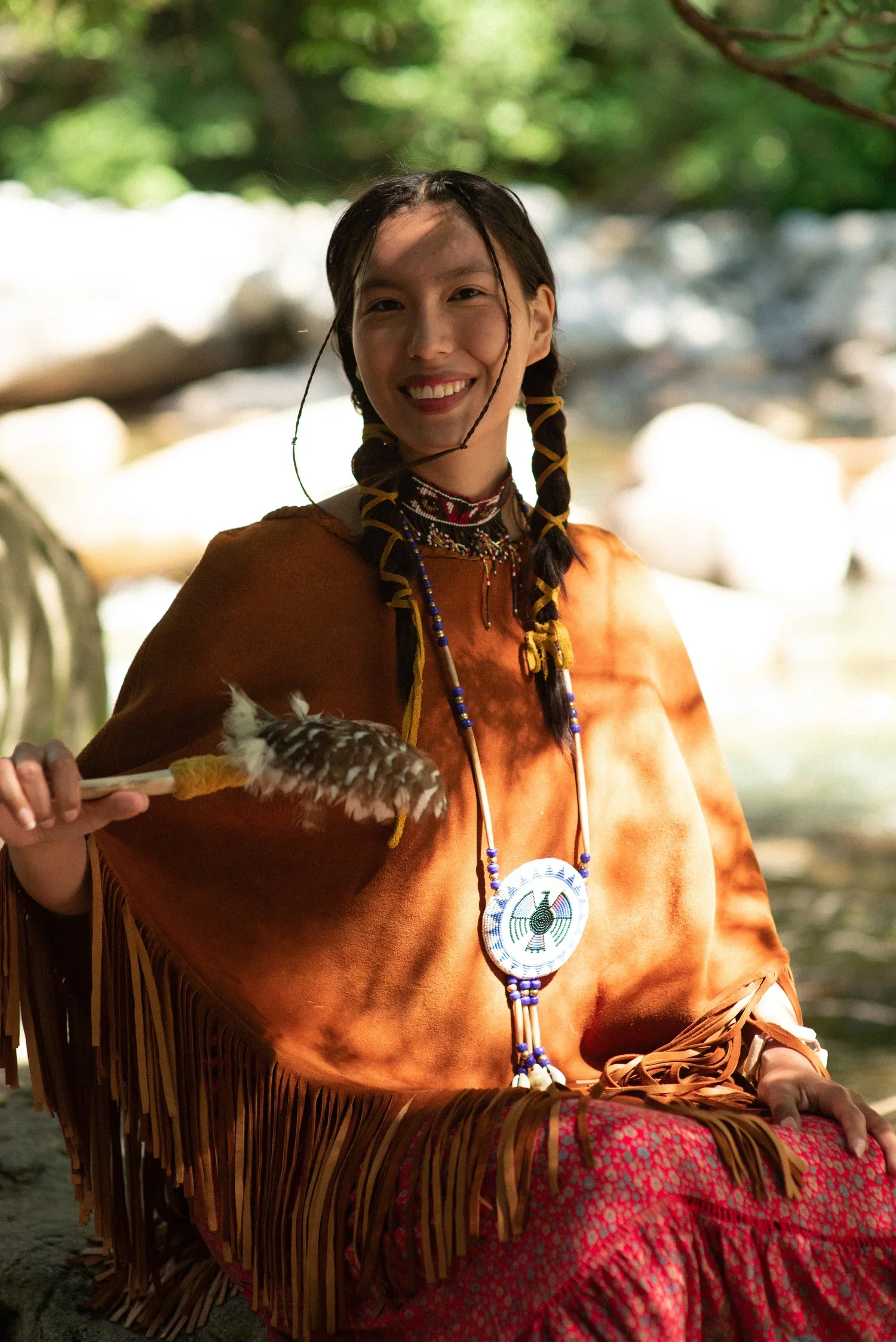
Amira Carrier
Grown up in the prairies of Saskatchewan. My bloodline stretches between both Muscowpetung and Piapot First nation in Treaty 4. Having both Ojibwe and Cree teachings from my mother and father I cultivated an identity as an inter-cultural woman through feminine and masculine teachings in harmony with nature. Raised in lifelong artistic practices as who later attended ECU in BFA. I am currently broadening my worldview and understanding of the intricacies of how turtle island is molded over the periods of the geographical landscapes and how nature itself has nurtured our first peoples for millenniums.
Image Credits:
Lynn Valley, North Vancouver BC - Liz V
Huckleberry Bush - Amira C
Huckleberry Bush close up - Amira C
Pacific Spirit Park, Kitsilano BC - Amira C
Stanley Park, Vancouver BC - Ruby B
Huckleberry Bush close up - Amira C
Amira Carrier Headshot