
Storytelling by - xets’emits’a, Candace Campo
tem tsutich ?e te skwake?iem
Winter is the time of the story.
In this reflection, xets’emits’a, Candace Campo, remembers the grandmother who brought her family together and shared stories with them. She considers the teachings those stories carry and introduces The Salmon Chief, a story Talaysay Tours is now sharing through shadow puppetry.

My grandmother xets’emits’a Sarah, was a quiet woman until she had something
important to share. Sarah had 31 grandchildren and we all called her “granny”.
She was the centre of our family. Often one of her seven children and their family shared an evening in the week to have dinner with our grandmother. On Wednesdays it was our night and so this was my favourite time of the week. On special occasions including Thanksgiving and Christmas and on Gran’s birthday, May 4th, we would all squeeze into her small house to celebrate.

Granny was known to recount the shíshálh lore and our
legends. Myths, legends, stories share important messages and so we focus on
possibility and teachings.
Often the character is the one who makes a mistake and rights their path and or is the one who over comes major adversity. Sometimes or often, it can be a love story like the story of our grandfather’s clan who accumulated and gifted their wealth to a young man so that he could be worthy of marrying the Chiefs daughter of the neighbouring tribe.
I honestly love a good love story, but not all stories are afforded my desired happy
endings. Those are the stories where protocols were broken and the people involved
were unable to repair the damage and so consequences ensued.
Our people’s lived strictly by their laws. There is a story shared not only by Coast Salish peoples, but several Northwest Coast tribes where a young woman is wrongly sent away and is required to live apart from the tribe. Growing up, I really struggled with this story, I could not fathom the injustice, mistreatment and shame cast onto this woman—it seemed so unfair. Despite being wrongly exiled, instead of giving up, the young woman worked hard and built a life for herself with her children. During a winter that was fiercer than any other winter, an old man from her village showed up at the place where she now lived. He looked thin and wore tattered clothing.
The elder man told her that their people
had been having difficult years and that they were not confident that they are going to
survive the winter as the people were starving.
The children of exiled woman, those she had raised on her own, had grown to become youth and young adults with special gifts and skills. She told her children to gather all their food, supplies and tools and they returned to the village she was born to and set about to help the people survive the winter.
This is an ancient story about reconciliation, and it is about understanding that the
group/the collective can make a terrible mistake, such as unfairly exiling a person.
The woman shows grace, love and forgiveness and returns to help her people survive the winter. We understand the severe winter to be a phenomenon, spirit, that provided the conditions to learn and correct the path of the people. It was not seamless, people had suffered. We learn that the collective is not always right and that a person who stays true to themselves can show the right the way for all the people.
Stories also highlight and explain natural phenomena or ecology and more specifically
phenology.
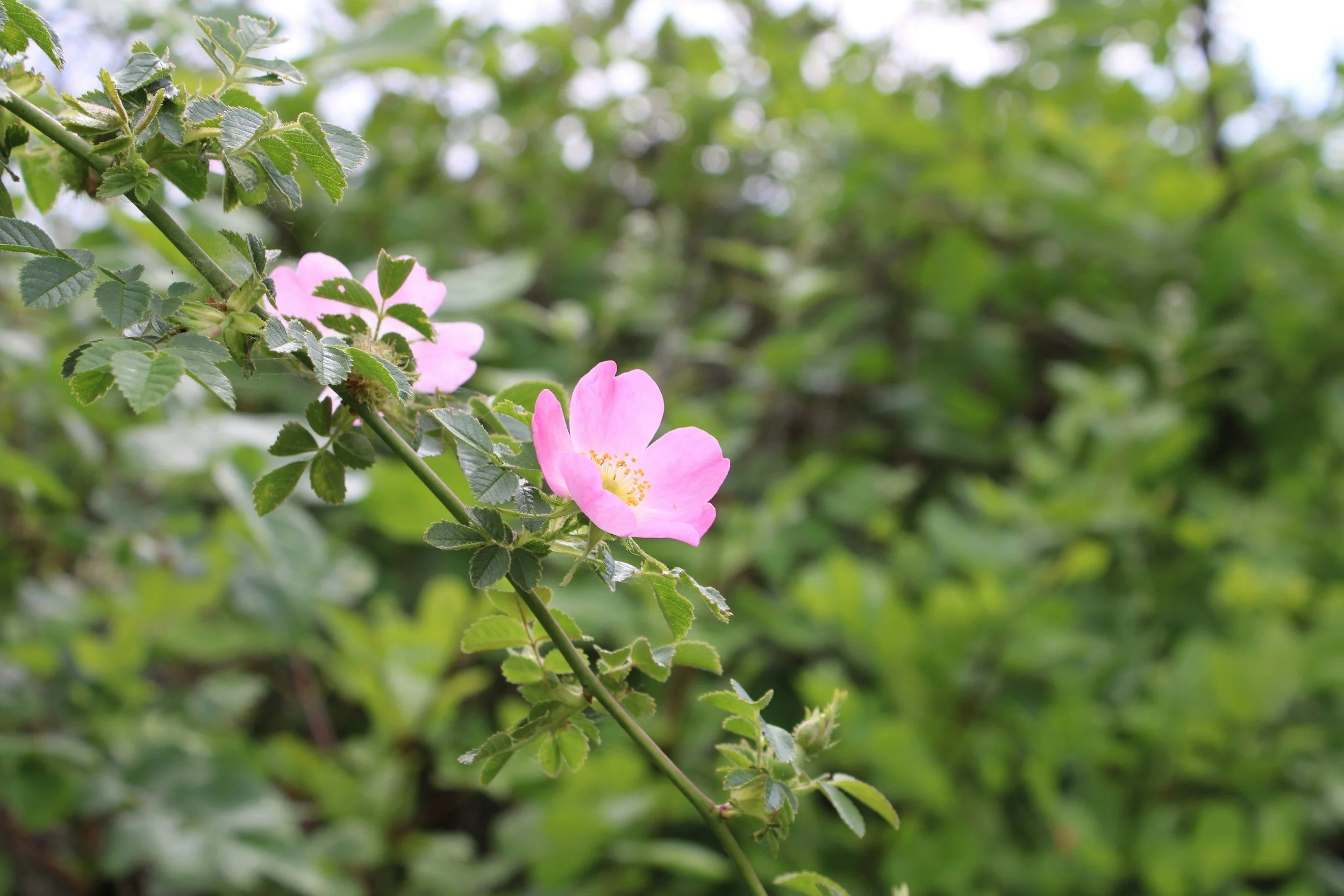
For example, when the pink indigenous rose is in bloom the spring salmon with the pink line that runs along its body is simultaneously migrating up the Stulu (Fraser River).
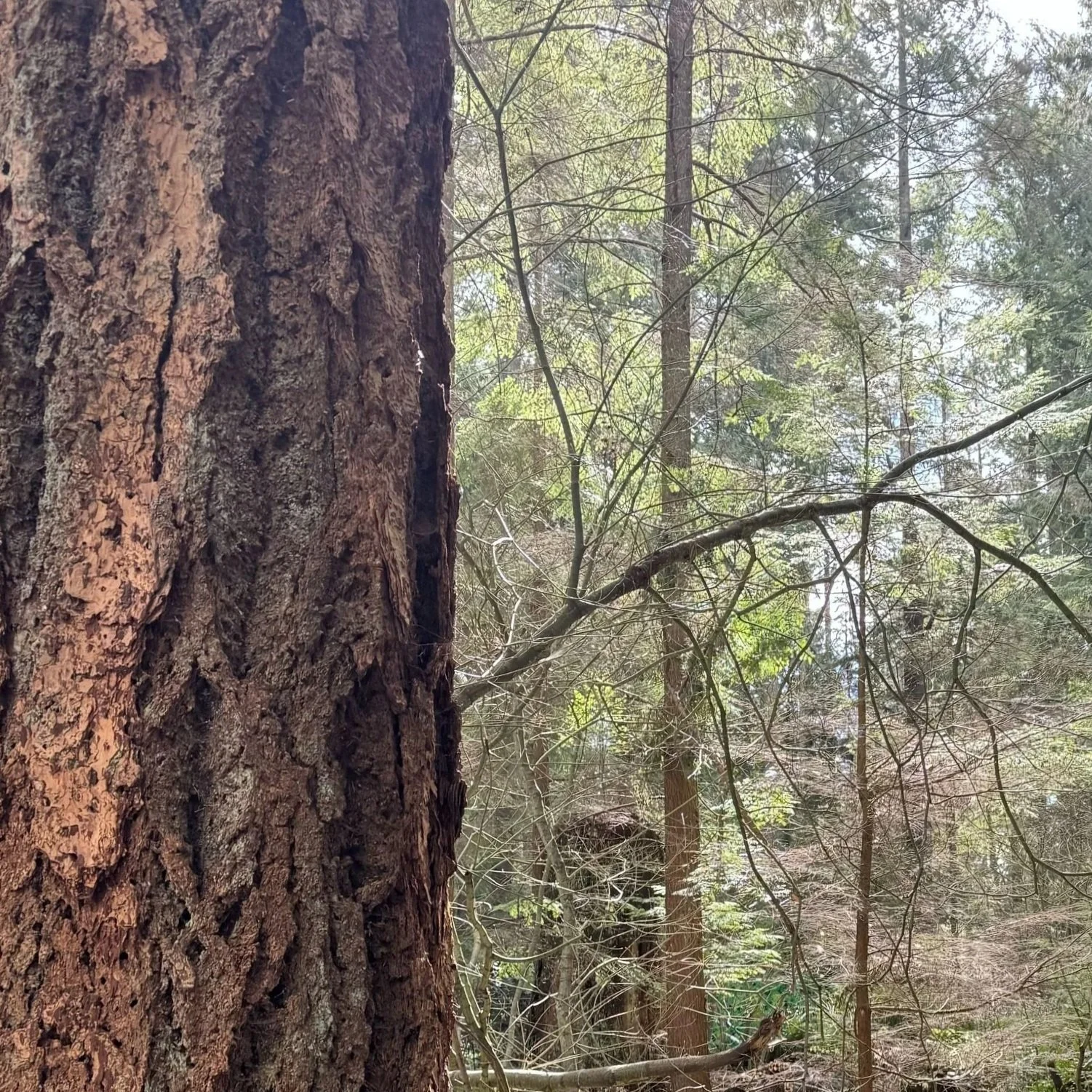
Our children are taught science, including the fire tree, pelanay (Douglas
fir) through story.
We share many of these stories on our Talking Trees Tour but this winter our Talaysay Tours team are excited to share the story of the Salmon Chief through our shadow puppetry show. We have been working on this story all summer and building our puppets.
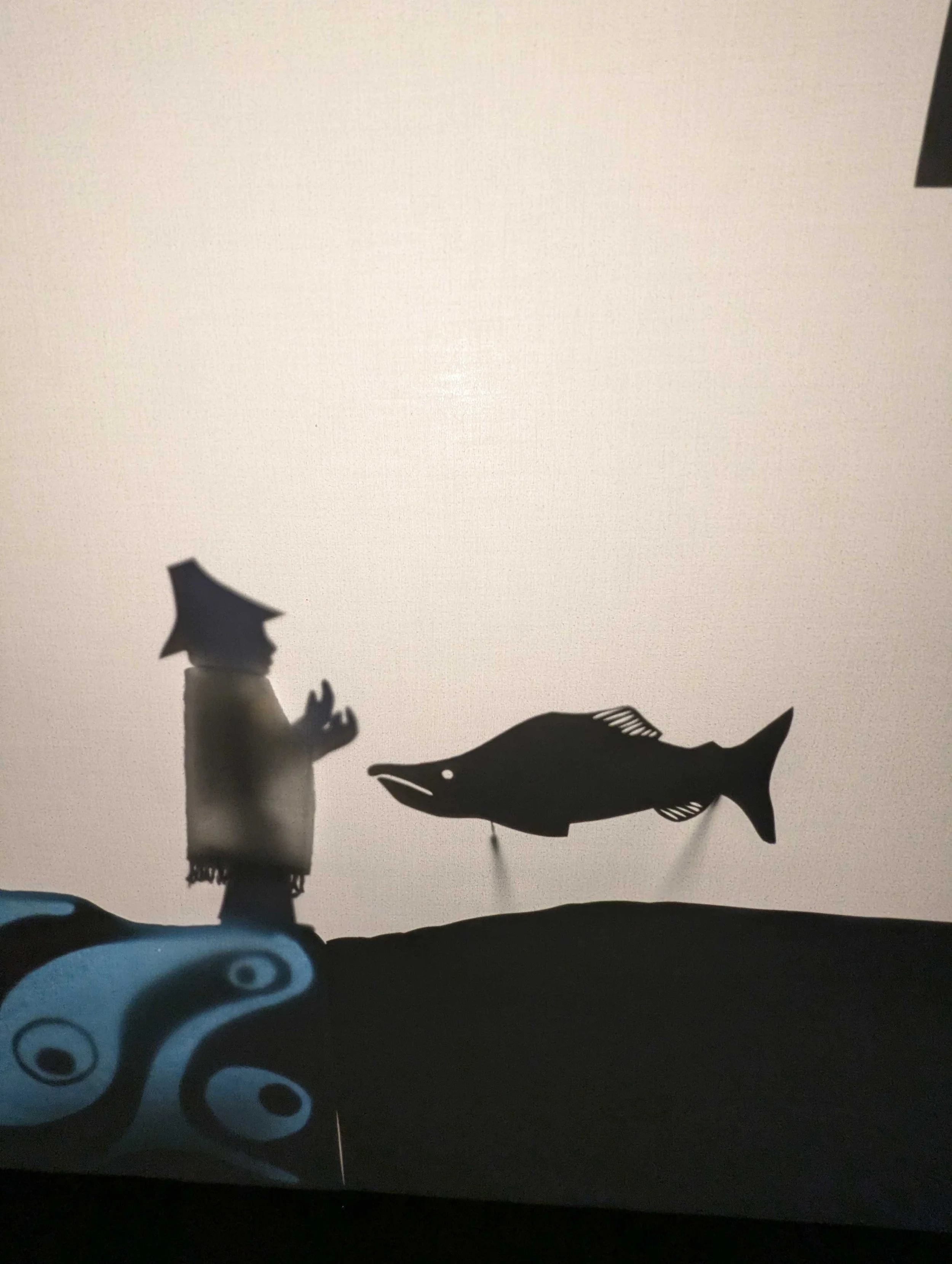
The story highlights how salmon came to our people
thousands of years ago and the story guides us on how to care for, show respect for
and practice protocol with the “salmon people” who give to us for all of time.
Among the 50+ Coast Salish tribes, there were known to be three regional Salmon Chiefs whose leadership supported our tribes to care for and manage the salmon runs. Many of our families still practice the protocols and ceremonies that give thanks to the Salmon people.
We share our Salmon Chief puppet show with many schools and groups. Story is for everyone and all ages.
You can learn more about our shadow puppets here.
About the Author
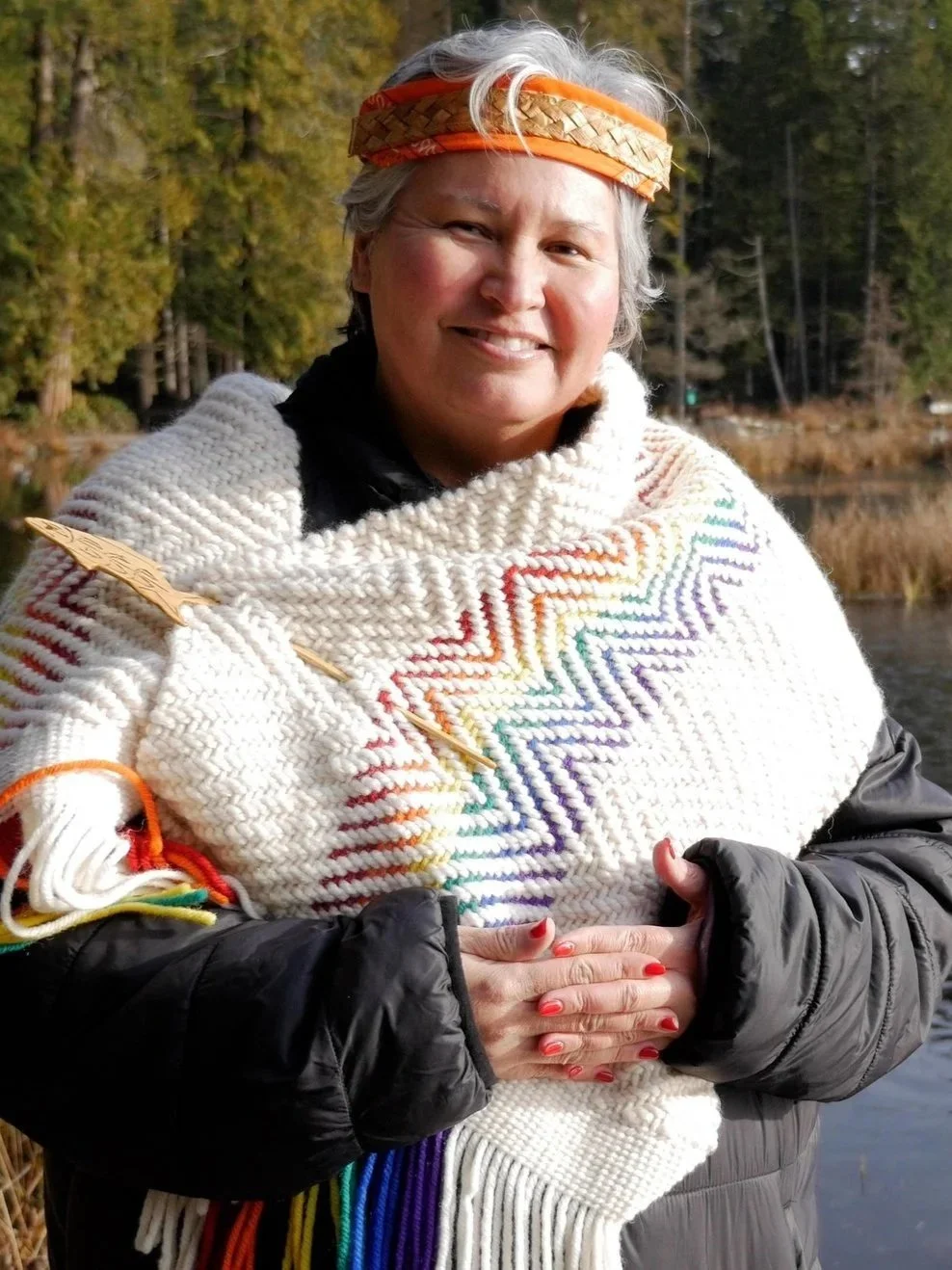
xets’emits’a, Candace Campo
Candace, ancestral name xets’emits’a (to always be there), is a shíshálh (Sechelt) member from the Sunshine Coast, BC. As the co-founder of Talaysay Tours with her spouse Larry, and now co-owned with their daughter Talaysay Campo, Candace provides Indigenous cultural and outdoor experiences. Trained as an anthropologist and teacher, she shares the stories and history of her people, focusing on Indigenous language and cultural revitalization. Candace’s mission is to train younger Indigenous members to connect with the land while running a successful intergenerational tour and education business.